Archives

Hever Castle: Anne Boleyn’s Childhood Home

castle5

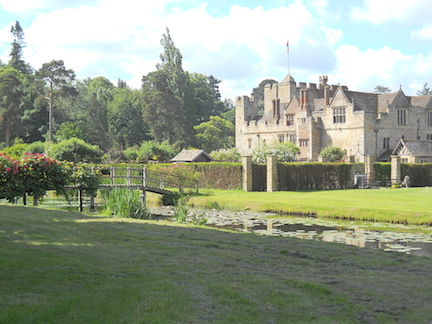
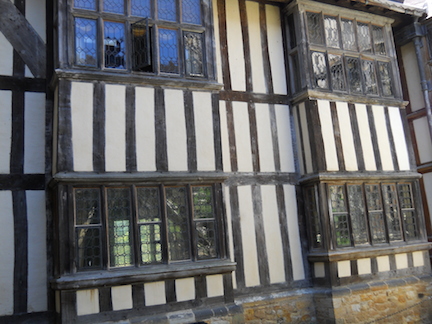
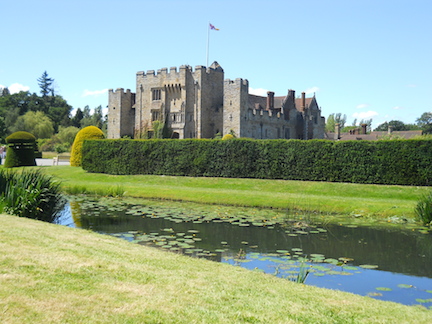
The original defensive castle was started in 1270, and in the 15th and 16th centuries, it became the home of the powerful Bullen (Boleyn) family, who added the Tudor dwelling to the castle. This is where Thomas Boleyn, a diplomat and politician who later became the 1st Earl of Wiltshire and the 1st Earl of Ormond lived with his wife, Elizabeth Howard (daughter of the Duke of Norfolk), and their three surviving children, George, Anne, and Mary.

Anne Boleyn

Anne Boleyn

Anne, of course, was destined to become the second wife of Henry VIII—and the reason for his break from Rome to make himself the Head of the Church of England so that he could grant himself a divorce from his first wife, Catherine of Aragon, who had failed to give him a son. And since Anne herself could only give him a daughter, a pretext had to be found to get rid of her so that he could find a woman who would. She was convicted of adultery and incest with her brother George, and both of them were executed on the block.

Henry VIII

Henry VIII

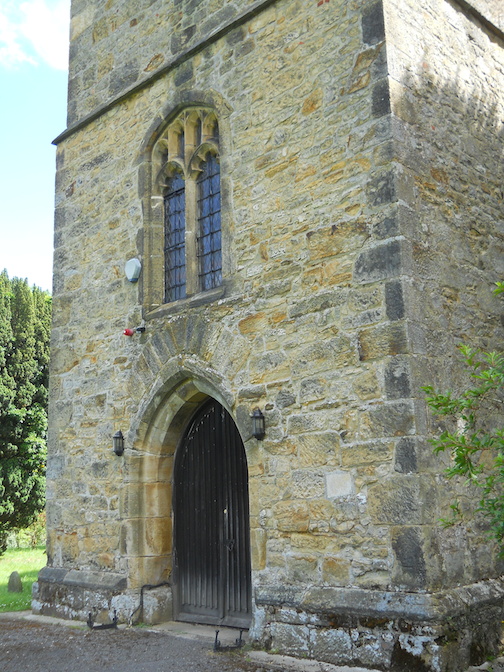
Very tragic. But it was Anne’s daughter Elizabeth who would become one of the greatest monarchs of England, the Virgin Queen Elizabeth I. And Thomas Boleyn, who lies in the nearby church, is her maternal grandfather.

Church where Thomas Boleyn is buried

Church where Thomas Boleyn is buried

Poor Henry is more known for his marital discords than anything else he did, unless it might be destroying England’s greatest monasteries in order to steal their wealth to fund his lifestyle. (Apologies to anyone reading this who might be a Henry VIII fan, but as you can see, I’m not one.) His third wife gave him a son and promptly died, and he had his marriage to Anne of Cleves, annulled. In the annulment document, she was granted Hever Castle, which had come to him at the death of Thomas Boleyn, among other properties.

Anne of Cleves

Anne of Cleves

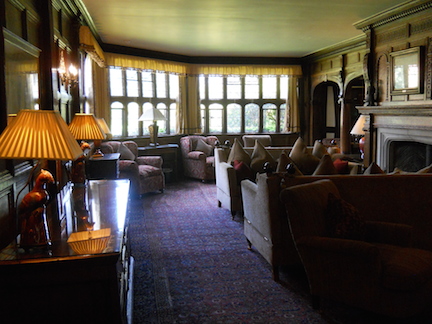
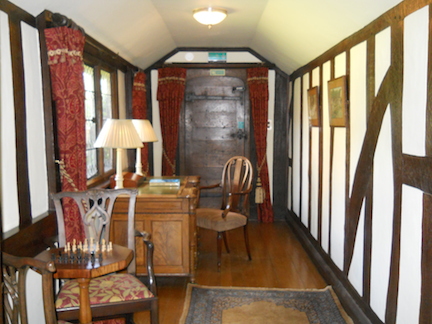
By the early 20th century, the property was in poor repair and was purchased by the American millionaire, William Waldorf Astoria, for a family residence. He added the Astor Wing, built in Tudor style, which has now become the Hever Castle Luxury Bed & Breakfast. I stayed there and highly recommend it! Be sure to book ahead, as rooms are limited.

astor3

Astor Wing

astor2

Astor Wing

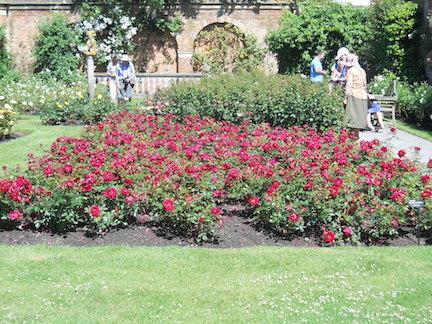
One of the things I noticed here was the large number of families, including seniors in wheelchairs, visiting the castle and grounds. I’m pretty sure the castle isn’t accessible to wheelchairs, but the gardens have ramps so that Granny and Aunt Sally can come to enjoy the beauty of nature. I have also noticed that many of these sites offer playgrounds and activities for children, and that school children come here for field trips. Lucky kids! Imagine how much more knowledgeable and interested in history they will be when they are older than our American kids are!

castle20

Yes, it has a moat and a drawbridge!

Yes, it has a moat and a drawbridge!

courtyard2


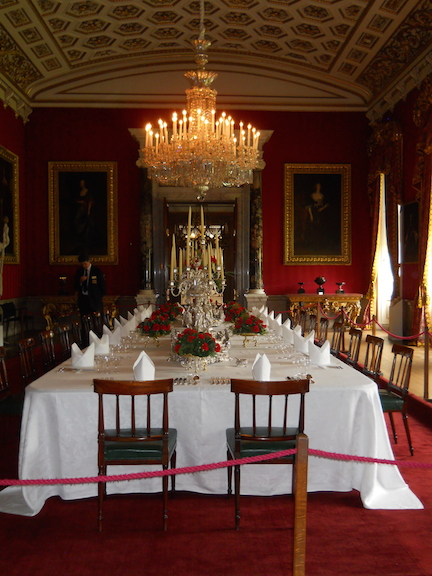
Banquet Hall

Banquet Hall

Maze

Maze

garden14

For more photos, check out my Pinterest page.

Hever Castle is near Edenbridge, Kent. And if you go there by train, make sure to have a mobile phone with you, because there is no one, absolutely no one, at the Hever train station!

The Banqueting House: An Artistic and Historical Masterpiece

banqueting8

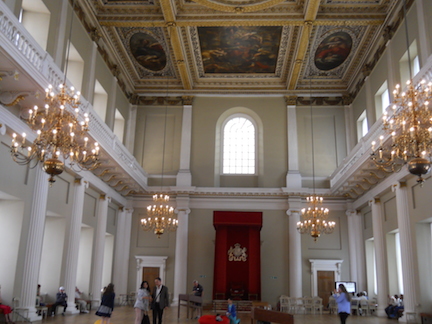
The Banqueting House on Whitehall Street is the only remaining building of the Palace of Whitehall, which was the primary residence of English monarchs for much of the 17th century. In its day, it was the largest palace in Europe, eclipsing even Versailles and the Vatican with its 1500 rooms. Henry VIII married Anne Boleyn and Jane Seymour there (in 1533 and 1536), and it was there where he died in 1547.

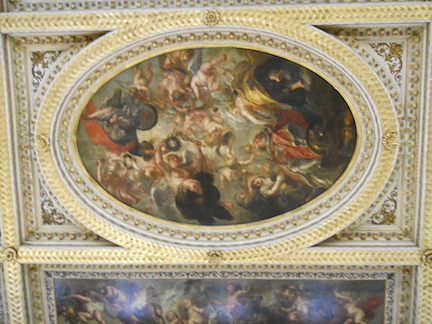
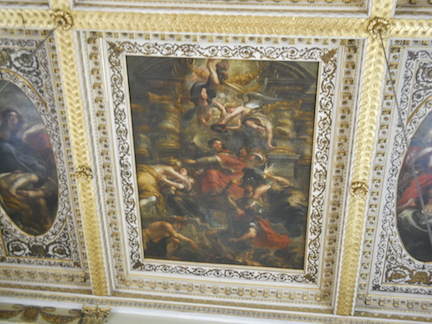
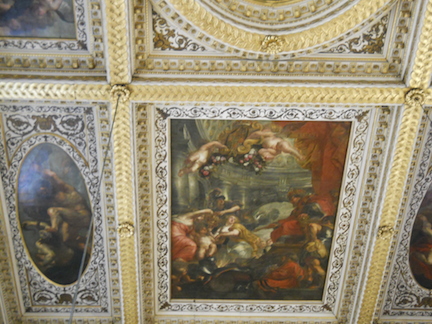
banqueting2In 1622 James I commissioned Inigo Jones to redesign the Banqueting Room, and Charles I was responsible for adding the beautiful ceiling with paintings by Rubens. These paintings, designed to reinforce Charles I’s belief in the divine right of kings, were completed in Antwerp and rolled up for transportation to England, where they were painstakingly laid out and attached to coffers in the ceiling.

Prior to the addition the ceilings, the room was often used for elaborate masques and pageants. Afterward, it was determined that the smoke from the bright lights would damage the ceiling, and it was used primarily for official functions.

It was across this floor that Charles I walked one final time before meeting his fate on the scaffold constructed outside. (So much for the divine right kings.)

banqueting9For some reason, Cromwell chose not to destroy the building as he did so many other buildings symbolic of royal preference. Perhaps because he decided to use it for his own state functions.

Fires in 1691 and 1698 destroyed nearly all the Whitehall Palace buildings, except for this one, probably because Sir Christopher Wren, the reigning architect of the day, had the building next to it blown up to prevent the fire from spreading to the Banqueting House.

A Single Room

While it’s only a single room, it’s definitely something not to be missed. The audio guide that comes with your admission fee is excellent, there are lots of chairs and benches where you sit and gaze at the room while listening, and if you’re very fortunate, you can grab one of the beanbags on the floor and lie prone while admiring the lovely ceiling. When I was there on a Saturday, there weren’t a lot of people there—while I expect everywhere else in Westminster was teeming with crowds as usual—and I could lie there and contemplate the historical and artistic significance of the room in peace.

banqueting3

banqueting5

banquetint4

banqueting6

throne

Walking Jane Austen’s London: #2 Marylebone and Bond Street

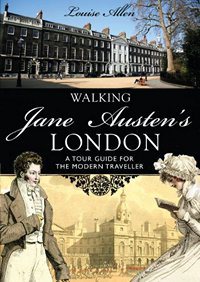
walking-jane-austens-london-by-louise-allen-2013-x-200

Today I thought I’d try one of the walks created by Louise Allen in her book Walking Jane Austen’s London. I decided to start with #2 Marylebone and Bond Street, perhaps because it’s not far from where I’m staying on Crawford Street, and I’ve already walked a bit in that area.

I took the Tube to Bond Street and first walked to Grosvenor Square, which is not on this tour, but is a place mentioned in my recently-completed time travel, and I wanted to see if I’d got it right. It was more or less what I expected, except that I didn’t realize the American Embassy was located there. I think that needs to be mentioned, since my heroine would definitely have known that.

Rant #1

And I have to say this because it’s been so disappointing to see the construction going on everywhere I go. Okay, it’s a good sign that these properties are being maintained and improved. I get that. But it seems like there’s no place I can go to avoid it, not a single park or historical building (or so it seems). It makes it really difficult to imagine the way things were in Georgian times when there are scaffolds and orange cones everywhere. So many of the buildings have been “swept away”, as Louise Allen puts it, and replaced by modern construction as it is. My selfish, spoiled brat side feels cheated that so much of what remains is covered with tarps!

Tour Beginning: Marble Arch

marblearch

To continue, I started the tour at Marble Arch, but forgot to look for Tyburn, so I’ll have to go back later. (Note: I think these tours would be easier for two people instead of just one. It’s hard to read the book and at the same time look for streets and house numbers. In many cases, the original buildings are no longer there anyway, so it’s almost impossible to imagine what it was really like.) In Jane’s day, public executions had been moved to Newgate anyway.
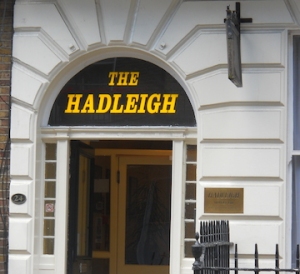
#24

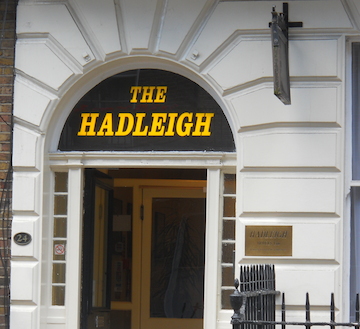
I saw the Austens’ house at No. 24 Upper Berkeley Street, which is now a hotel. Jane’s sister Cassandra stayed there, but there is no indication that Jane herself did.

mews

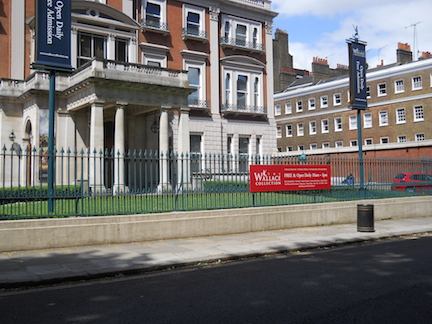
I walked down Berkeley Mews, but it was hard to imagine a mews being there, with horses and carriages and all. Then I walked around Portman Square and took a few photos. Jane dined with her aunt on Orchard Street (which turns into Baker Street) on her first recorded trip to London. I walked down Baker Street (which shows no signs of being “perhaps the handsomest street in London”) and turned into George Street to walk past The Wallace Collection in Manchester Square, which I wrote about last week.
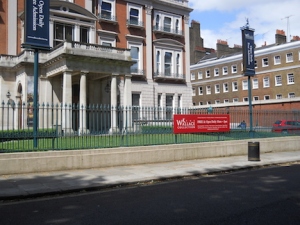
wallacecollection

Wallace Collection, Manchester Square

Wigmore Street is where Lord and Lady Hamilton set up housekeeping together, quite close to where Captain and Mrs. Horatio Nelson were living on Cavendish Square at the same time. I didn’t stop to find Number 11, where Jane stopped at Christian & Son’s, drapers, to buy fabric. (Too many people, and no, they weren’t doing the Jane Austen tour!)

marcus

I saw Harley Street, famous for its doctors, and recalled that the first Harlequin romance I ever read, Dear Doctor Marcus by Barbara Perkins, had a doctor hero on Harley Street. (Nope, actually it was Wimpole Street. Oh well, that was a long time ago, and besides, I walked down nearby Wimpole Street too.) I read that book many, many times!

Not sure how I missed Coutts Bank on Cavendish Square. I recall that Coutts was the banker who kept lending money to Georgiana, Duchess of Devonshire, when she was desperate to find some way to pay her gambling debts. Again, the difficulty of walking and trying to read a book at the same time.
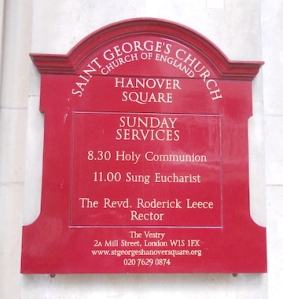
stgeorgesign

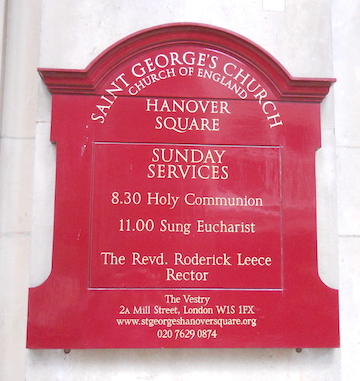
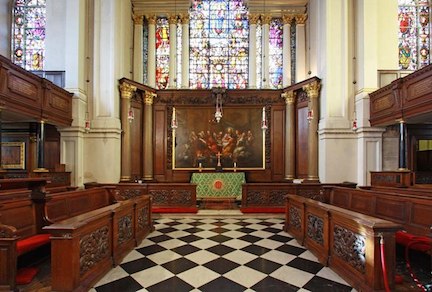
St. George’s, Hanover Square, which was the fashionable place for weddings in the Regency period, was a bit of a disappointment. The doors were closed (alas, it’s closed on Saturday!), and because of its placement on a crowded, busy street, it was hard to get a good photo of it. It also looked a bit dirty and neglected, but the inside—according to photos on the Internet—is another thing entirely! The composer Handel was a member here, and the Earl of Jersey (Sally Jersey’s better half) was a church warden in 1794.
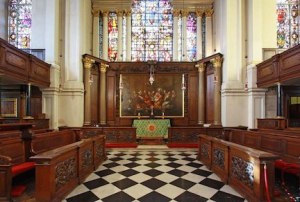
St_George's_Church,_Hanover_Square,_London_W1_-_Chancel_-_geograph.org.uk_-_1533374

St. George’s, Hanover Square

handel

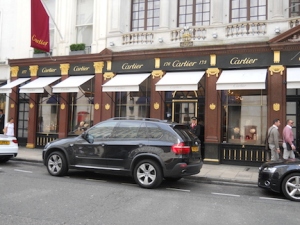
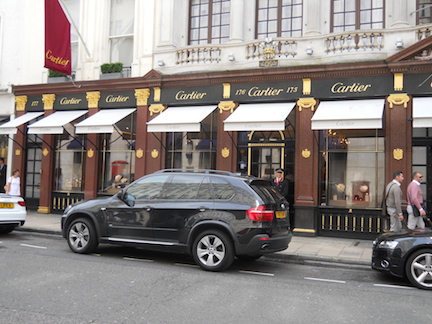
cartierThen it was on to New Bond Street, which, as then, is where you’ll find all the most exclusive shops. Talk about Rodeo Drive in Beverley Hills! Some stores had doormen dressed to the nines standing outside, presumably to only allow the most exclusive people inside. I’m pretty sure I wouldn’t qualify, even with my stylish New Orleans hat, and I didn’t want to melt my credit card, so I admired them all from the outside, as did most of the people in the street, interestingly enough. (I wonder who can afford to shop at these places!)

Building used to be the chemists Savory & Moore

Building used to be the chemists Savory & Moore

The shop opposite No. 143, now a Ralph Lauren, is the original building of chemists Savory & Moore, who included in their clientele such influential people as Wellington and Lady Hamilton, the Duke of Sussex (the brother of George IV).

On the corner of New Bond and Grafton Streets was the location of Grafton House home of high-class drapers Wilding & Kent, of which Jane wrote to her sister Cassandra: “I am sorry to tell you that I am getting very extravagant & spending all my Money; & what is worse for you, I have been spending yours too.”
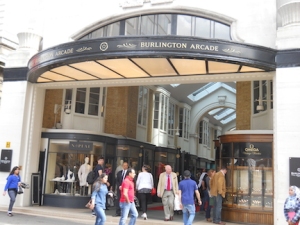
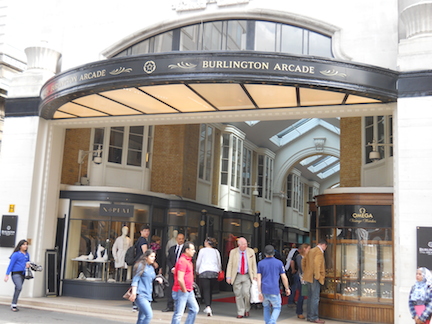
burlington

I am sorry to say that at this point I ran into the Burlington Arcade, and got distracted from the tour. Many of the small stores not only had closed doors, but locks, and since the gorgeous jewelry in the windows had no prices on them, I figured it wasn’t worthwhile to attempt to go inside. But I did have a good time admiring the sparklies, and it seemed like most of the other people did too.

Heading Home

At that point, I reached Picadilly Street and the end of the tour. I was too tired to go back to Old Bond Street, so I stopped and had some sparkling water and yogurt at a Café Nero’s. I really needed to hit Marks & Spencers for some groceries, but was too tried to go back to Oxford Street, so I headed for the Tube station, and—oh joy—there was an M & S right there! I love their prepared meals, not frozen and probably not filled with tons of preservatives. I also really like that there are so many organic foods here in England. Makes me feel the English are much more concerned with their health than we Americans. Although I do see plenty of them at McDonald’s and KFC. [Sigh]. I hate thinking that we are contaminating the world with our junk food. But then, there is plenty of English junk food too!

MS

This tour is supposed to be 2.25 miles. Adding in the trip to Grosvenor Square and several wrong turns, I’d guess I walked at least four miles. Not as much as walking to Chatsworth from Beeley last week, but still a respectable length. I was tired, but it didn’t kill me. Good to know!

All in all, it was a great day, and I’m sure I’ll do another tour quite soon. While it is disappointing to see so many Georgian buildings replaced by modern monstrosities, it’s a great way to walk the streets Jane did and frankly, become better acquainted with modern London (which is pretty cool in itself) too.

Rant #2

Crossing streets: Okay, I understand the red and green walking figures, although most Londoners don’t seem to, since they rarely wait for the green signal. But more streets don’t have them than do, so I can’t tell you how many times I’ve barely avoided being struck down by a car.

Have you ever done a walking tour like this? I’d love to hear your experiences!
Chatsworth: A Grand House, To Be Sure, But Would You Wish to Live There?

Charming Chatsworth

Since reading Amanda Foreman’s Georgiana, Duchess of Devonshire, which includes much of the infamous duchess’s letters and journal entries, I’ve been fascinated by the Devonshire family. The only thing missing among the highly dramatic history of this noble, highly-esteemed family—possibly the wealthiest in England in the Georgian era—is a happy ending. The Devonshires of this period are prime examples of failed British aristocratic marriage and family values. With a seemingly endless source of income and the highest social status, why were these people so desperately unhappy?

It also begs the question that if we all truly believe that money and possessions not only do not make us happy but tend to bring along with them worries and responsibilities to weigh us down, then why do so many of us never seem to have enough? How much is enough? A comfortable life with enough income to cover the bills sounds reasonable. But does that mean stately homes, expensive cars, and a yacht to sail around the world? If you have that, would you be satisfied, or would you yearn for even more? If the billionaires of this world were truly happy, then why do they keep going after more and more? What do you do with a billion dollars anyway, especially with tax loopholes that the ordinary citizen does not enjoy? In the end, do you get a solid gold casket or something? Do you get special privileges in heaven?

Enough preaching. I wanted to write about my Chatsworth experiences this week. Yes, there are lessons to be learned. Unfortunately, most people aren’t inclined to learn from the past, and thus we keep making the same mistakes over and over.

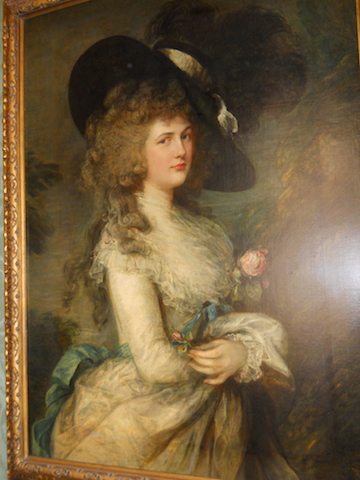
Georgiana, Duchess of Devonshire

Georgiana Cavendish, Duchess of Devonshire

Georgiana Cavendish, Duchess of Devonshire

Pronounced George-ayna, by the way. Georgiana was the oldest daughter of the First Earl Spencer and his wife, also Georgiana. The Earl and his wife were childhood sweethearts. If you visit Spencer House on St. James Place in London (see my Pinterest board here), you will be told about their great love and shown all sorts of decorative features that proclaim their love match. It truly warms the heart of a romance addict. Except that…it doesn’t ring true when you realize they subjected their beloved seventeen-year-old daughter to a loveless marriage that brought her much unhappiness. What went wrong?

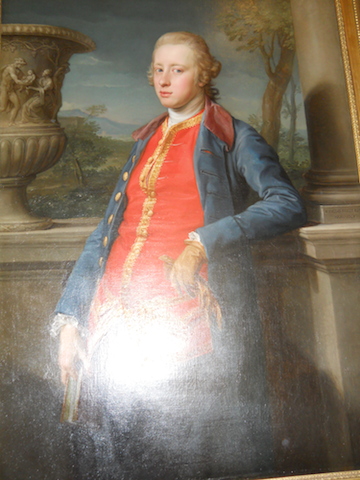
Well, perhaps it wasn’t entirely their fault. Young Georgiana probably thought it was a dream come true to marry the richest man in England who also happened to be a duke (the 5th Duke of Devonshire). It must have been a shock, though, to discover that her husband had no intention of being faithful, that even at the time of their marriage, his mistress gave birth to an illegitimate daughter who was eventually brought into the Devonshire family to be raised after her mother died. Georgiana herself found it difficult to conceive and suffered miscarriages before producing three children, two daughters, and finally a son, sixteen years after her marriage.

William Cavendish, 5th Duke of Devonshire

William Cavendish, 5th Duke of Devonshire

Georgiana enjoyed her life as a leading lady of fashion and politics in the ton. A friend of Queen Marie Antoinette of France, they copied each other’s fashions, including excessively tall hairstyles and large hats. Georgiana was also a leader of the Whig movement, hosting popular salons at Devonshire House in London for all the prominent Whigs of the time. (See a blog post here about her political exploits.) But with all this, she wasn’t happy. She spent lavishly, and gambled excessively (see post about her gambling exploits here), to the point where even the coffers of the richest man in England were seriously threatened. Her mother, the Countess Spencer—who also gambled beyond her means, particularly after her beloved husband died—warned her to be honest with her husband and to be more prudent in her gambling. Didn’t happen. The duke only found out the truth about her debts after her death. I guess they didn’t have Gamblers Anonymous in those days, or they’d know an addict isn’t able to manage his addiction prudently without giving it up entirely.

Georgiana seemed to have everything, and yet, she didn’t. Desperate for a close friend, when she met Lady Elizabeth Foster, who was separated from her husband and sons and seemingly destitute, Georgiana insisted she reside with them, and so began the ménage à trois. Lady Foster bore Georgiana’s husband two illegitimate children, who were brought up in the Devonshire home with their half-siblings, and Georgiana didn’t seem to mind. She and Bess were the best of friends, although many, including Lady Spencer, believed Bess to be a con-artist of the worst kind.

Charles Grey, 2nd Earl Grey and later Prime Minister

Charles Grey, 2nd Earl Grey and later Prime Minister

After the birth of her son, who later became the 6th Duke, Georgiana felt free to have love affairs of her own. She fell in love with Charles Grey, later to become an earl and a prime minister, and bore him a daughter, who was raised by the child’s paternal grandparents. Her husband was enraged and exiled Georgiana to France for three years, during which time she worried that her son would never know her. (Okay, the duke was a man of his time and perhaps not so terrible as he seems today, but punishing his wife for something he’d been doing for all their marriage just does not give a good impression of his character. Maybe it’s just me?)

Georgiana died in 1806 at 48 of a liver abscess (an eerie coincidence since I had this same affliction last fall, but am completely healed, thank heavens), and three years later, Lady Foster married the duke and became the second duchess, whereupon she admitted the paternity of her two illegitimate children and demanded that the duke provide for them as handsomely (or more so) as his legitimate children. (No, I don’t like her. Can you tell?)

Elizabeth Cavendish, second wife of the 5th Duke of Devonshire

Elizabeth Cavendish, second wife of the 5th Duke of Devonshire

The 6th Duke

Georgiana’s son was sixteen when his mother died and twenty-one when his father died and he inherited. He was active in Whig politics, but his special interest was landscaping and architecture. He had a north wing added to the house and an extensive renovation of the gardens. He spent lavishly to improve the property, which at that time included about 83,000 acres. William never married, having courted Georgiana’s sister’s daughter, Lady Caroline Ponsonby (yes, the one who went nutso over Lord Byron) and lost her to William Lamb, who undoubtedly regretted his marriage in retrospect. Perhaps His Grace realized his good fortunate in escaping a miserable marriage and couldn’t bring himself to risk it again. Certainly the marriages in his own family must have given him quite a few qualms!

The Devonshire Arms

The Devonshire Arms

The Devonshire Arms

Described as “a picturesque country pub at the heart of village life, offering the charm and character of an historic inn with a contemporary twist,” the Devonshire Arms offers comfortable rooms, superb food, and a quaint, medieval building that won’t fail to inspire any dedicated history lovers who book rooms here. Check out my Pinterest board here. And the village of Beeley is equally charming.

Chatsworth

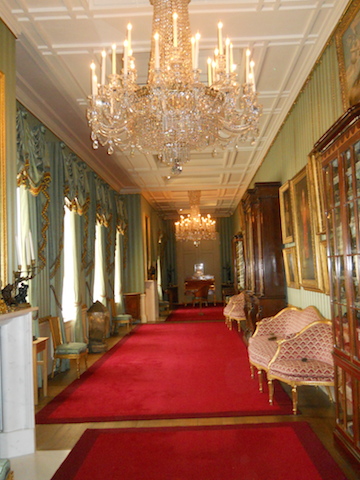
Chatsworth is such a beautiful place, filled with such priceless art and furnishings (see Pinterest board here), that one can’t quite understand how so many of its inhabitants, possessed of great wealth and just about anything they wished, were so obviously unhappy. I thought about this a great deal as I took my time touring the rooms and listening to the audioguide, and even as I walked among the rolling hills and sheep from my lodgings to the house. So much beauty and wealth, and yet, I am not envious. At this point in my life, I don’t aspire to such heavy responsibilities, no matter the grandeur and glamorous lifestyle. It is enough for me to have the privilege of seeing it and experiencing it this one time.

Lovely ceilings throughout the house

Lovely ceilings throughout the house

Sketches Room (my favorite)

Sketches Room (my favorite)

Countess Spencer, Georgiana's mother

Countess Spencer, Georgiana’s mother

Dining Room

Dining Room

Devonshire family portraits

Devonshire family portraits

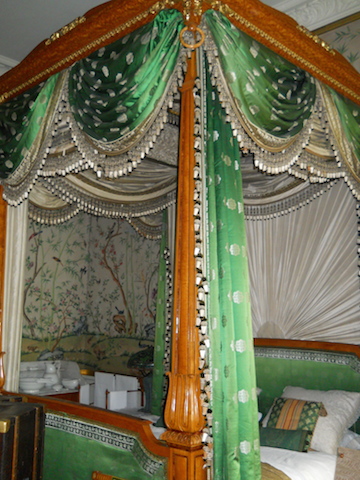
Wellington Bedroom

Wellington Bedroom

On With the New: Wall sculpture of DNA maps of current Devonshire family

On With the New: Wall sculpture of DNA maps of current Devonshire family

What do you think? Would you like to live the life of a wealthy celebrity? I’m curious to know if others feel as I do that “enough is enough”, and that happiness is not found in great wealth and possessions.

What to Wear When Saying “I Do” to Your Beau: Regency Wedding Gowns by Katherine Givens

Recently, I have been busy researching Regency weddings for one of my current manuscripts.. The simple family affairs are the prime setting for romance. From the announcement of the wedding banns to the olden churches, I have been captivated. One of my fascinations throughout my research has been for the Regency wedding gown. Who can blame me? Have you seen how beautiful these gowns are?

charlotte

The silver lace dress worn by Princess Charlotte in 1816 when she married Prince Leopold.

bonaparte

The wedding gown worn by Elizabeth Patterson Bonaparte.

Queen Victoria is accredited as having started the tradition of wearing white. However, she was not the first bride to wear a white wedding gown. She started the trend of no other color doing for wedding gowns, but contrary to belief, white was a popular choice throughout the Regency era.

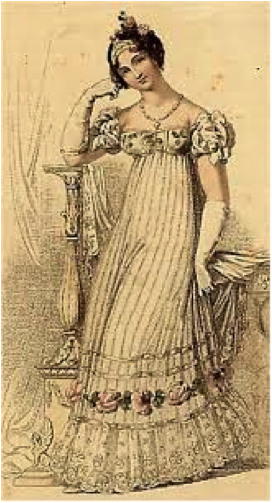
A fashion plate of a white wedding dress from the June 1816 issue of Ackerman’s Repository.

A fashion plate of a white wedding dress from the June 1816 issue of Ackerman’s Repository.

The color and shade of the wedding gown depended on the bride’s tastes. The gown could be an array of colors, but contrary to what many believe, white was a popular choice. White muslin was a fashionable choice for dresses throughout the Regency era, and so it only makes sense this favorite prevailed in wedding ceremonies. Other pale shades, such as pink and yellow, were also prevalent throughout the era.

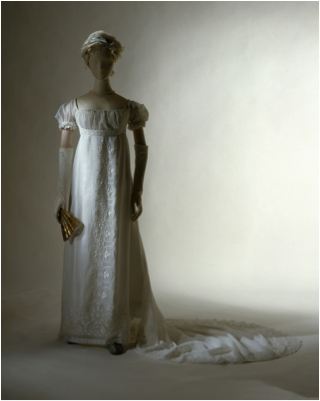
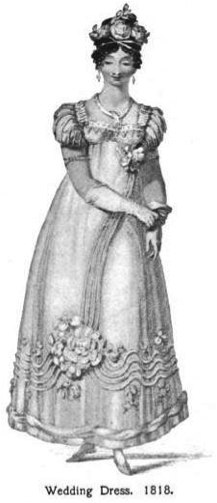
Simplicity was the rule. The shape of wedding gowns was loose fitting with high bodices. Lace, silk, and satin were particular fabrics to be used. Slippers adorned the feet, and jewelry was utilized as well. Veils did not come into popularity until later in the nineteenth century, but flowers and herbs were woven into the Regency bride’s hair. The flowers and herbs symbolized nature and beauty.

1818

A Wedding Gown from 1818. The flowers in her hair were popular for the time period.

The wedding gowns of the Regency were breathtakingly gorgeous. The silks, laces, pale hues, and whites and silvers were all a part of the simplicity celebrated in the era. Perhaps it is the beauty that comes from the simplicity that has me so fascinated with the wedding fashions? How about you?

About Katherine

Katherine Givens is a museum employee with a secret. Few know the truth of her greatest passion, but those closest to her know she loves to write historical romances… Alright, maybe more than a few people know she is a writer. Anyone who will listen to her can glean this from a conversation.

So, Katherine Givens is a museum employee who wishes she had a devilish secret or a jaw-dropping double life, but the characters in her manuscripts often do. From the withdrawn duke mesmerized by his quiet maid or the savage viking eager to ravish a Christian girl, her heroes are always bound to have a secret or two. It is often up to the headstrong heroine to unravel the mysteries surrounding the man that has captured her heart.

Katherine is a member of the Romance Writers of America and Romance Writers of America PRO. She has two novellas, one already released and another upcoming.  In Her Dreams (Harlequin Australia’s Escape Publishing) was released October 1, 2013, much to her delight! Love Amidst the Egyptian Sands (Red Sage Publishing) will be released on January 1, 2015.

Katherine loves to hear from readers! She can be found at these places:

Website • Facebook • Twitter • Pinterest


Hertford House and the Wallace Collection

One of my favorite activities is to visit beautiful, historic houses with lovely art and furnishings—even better if they are Georgian. In addition to the lovely rooms, there are so many captivating stories to remind me of the bygone era and the colorful personalities who used to live and/or socialize within them.

WallaceHouse

Hertford House is located on Manchester Square only blocks from the flat I’ve leased near Baker Street and quite close to the fabulous shops on Oxford Street as well. Because it’s small compared to other museums in London, it’s much less crowded and suitable for a leisurely visit. It is more of an art gallery than an example of a Georgian home, however, but if you enjoy both, you’re in luck!

Lady Hertford, 1800

Lady Hertford, 1800

The historical gossip that I wanted to know immediately if this home had anything to do with the Marchioness of Hertford who was a longtime mistress of the Prince Regent. Yes, indeed, Lady Hertford was the wife of the 2nd Marquess, but it was the 4th Marquess who left the house and the collection to his illegitimate son, Sir Richard Wallace, whose widow left it to the nation.

Seymour-Conway was the family name of the Hertfords (think Jane Seymour, Henry VIII’s third wife), and they were close connections to the Duke of Somerset.

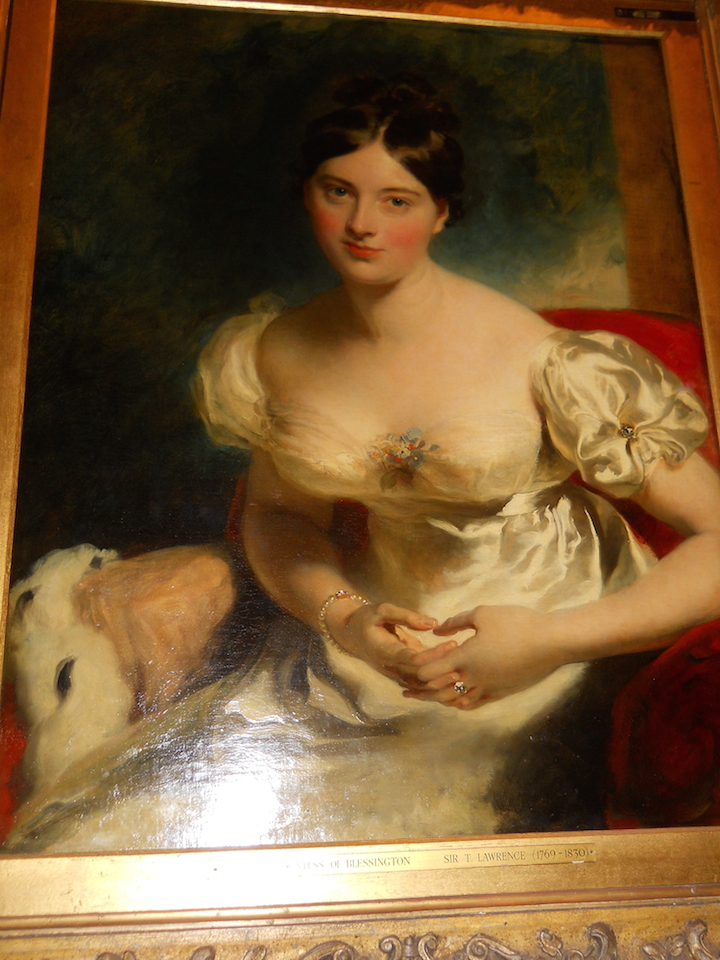
Marguerite, Countess of Blessington

Marguerite, Countess of Blessington

The house is filled with beautiful rooms and art treasures, as well as an armory. In the very first salon is a lovely painting of the Countess of Blessington by Sir Thomas Lawrence (as beautiful as she appears, it is said that she was even more ravishing in person). The countess’s beauty literally took her from rags to riches, as she rose from a sea captain’s mistress to an earl’s wife, and eventually into a ménage à trois with a young Comte d’Orsay. Besides her beauty, she was quite intelligent and held glittering salons for the crème de la crème of European society, including Lord Byron, of whom she wrote in Conversations with Lord Byron.

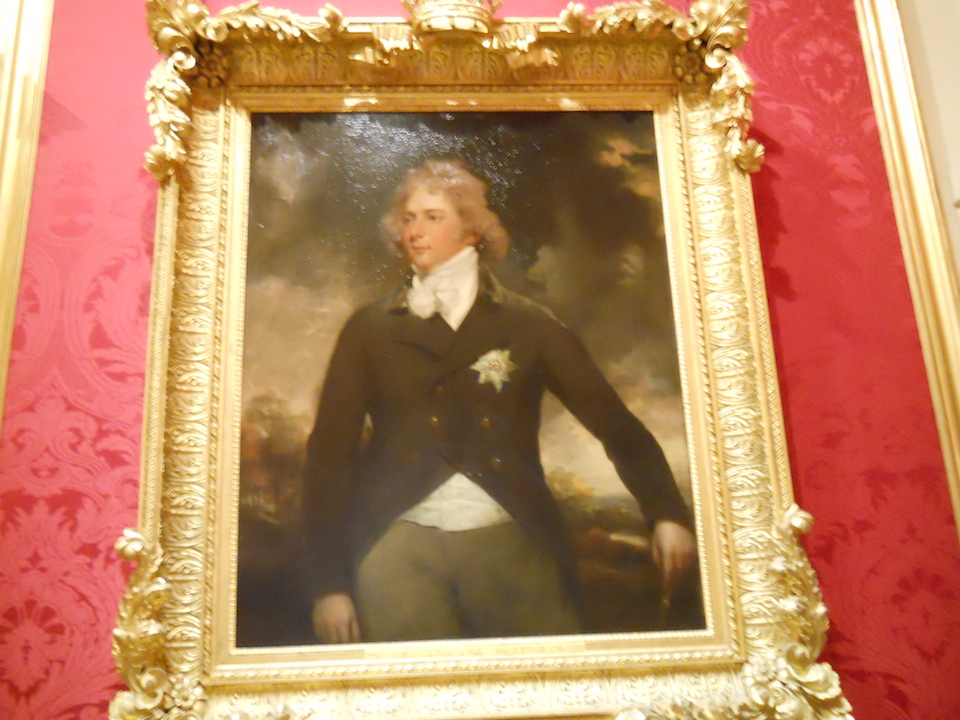
George, Prince of Wales (later George IV)

George, Prince of Wales (later George IV)

The painting of the Prince of Wales as he was in 1792) was presented to the 3rd Marquess in 1810 while his mother was the Prince’s mistress. And there’s a lovely Lawrence portrait of Emma Hamilton as well.

Emma Hamilton

Emma Hamilton

In another room is a portrait by Gainsborough of Mary Robinson, the Prince Regent’s first mistress, as Perdita in Shakespeare’s A Winter’s Tale.

Mary Robinson, as Perdita

Mary Robinson, as Perdita

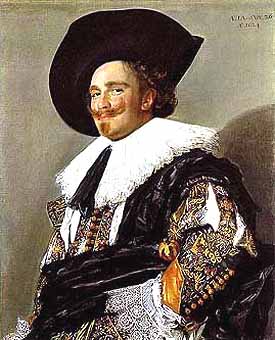
Franz Halz’s The Laughing Cavalier is here, and much, much more. Admission is free, and being so close, I can see myself returning for at least one more visit.

cavalier

Franz Hals’s The Laughing Cavalier

Be sure to put it on your list for your next trip to London!

For more photos of paintings and furnishings, check out my Pinterest board!

The Earl’s Enticement: Collette Cameron

TheEarlsEnticement3_850 3rd

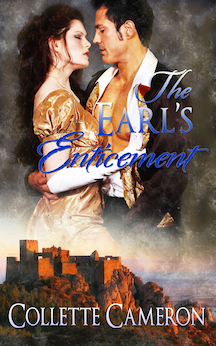
About The Earl’s Enticement

She won’t be tamed.

A fiery, unconventional Scot, Adaira Ferguson wears breeches, swears, and has no more desire to marry than she does to follow society’s dictates of appropriate behavior. She trusts no man with the secret she desperately protects.

He can’t forget.

Haunted by his past, Roark, the Earl of Clarendon, rigidly adheres to propriety, holding himself and those around him to the highest standards, no matter the cost. Betrayed once, he’s guarded and leery of all women.

Mistaking Roark for a known spy, Adaira imprisons him. Infuriated, he vows vengeance. Realizing her error, she’s appalled and releases him, but he’s not satisfied with his freedom. Roark is determined to transform Adaira from an ill-mannered hoyden to a lady of refinement.

He succeeds only to discover, he preferred the free-spirited Scottish lass who first captured his heart.

Amazon

Excerpt

Adaira stepped around the mare and ever-so-gently touched the foal. Was the new addition a laddie or lassie? Skimming her hands over the newborn, she bent to take a peek. A colt. The sheen of his coat glistened in the muted light. Other than a white face and leg markings, he was the color of rich Turkish coffee.

“Ooh, you’re magnificent!” she breathed in awe.

“He is, indeed,” rumbled a harmonious baritone.

She whirled around. The Earl of Clarendon leaned across the stall door. His forearms rested on the top edge. He clasped a silver flask loosely in one hand. His shirtsleeves were rolled to his elbows, and he wore no waistcoat or jacket. The top of his shirt was unfastened too.

Just perfect. She wasn’t supposed to be anywhere near the earl, and here he was, in her sanctuary. She ought to be afraid, after his parting words, but she sensed something altogether different.

No, she wouldn’t stare at the crisp dark hair on his forearms or peeking from the collar of his open shirt. Bugger it. She curled her hands into fists against the oddest urge to run her fingers through the curly hair on his chest.

A bolt of unease speared her, though whether from his disquieting presence or her awareness of him as an attractive man, she couldn’t be certain.

Clearing her throat, she asked, “What are you doing here, my lord?”

About Collette Cameron

Collette CameronAward winning, Amazon best-selling, and multi-published historical romance author, Collette Cameron, has a BS in Liberal Studies and a Master’s in Teaching.  A Pacific Northwest Native, Collette’s been married for thirty years, has three amazing adult children, and five dachshunds. Collette loves a good joke, inspirational quotes, flowers, the beach, trivia, birds, shabby chic, and Cadbury Chocolate. You’ll always find dogs, birds, quirky—sometimes naughty—humor, and a dash of inspiration in her novels. Her motto for life? You can’t have too much chocolate, too many hugs, or too many flowers. She’s thinking about adding shoes to that list.

Website     Blue Rose Romance Blog   Twitter   Facebook


The Regency Gentleman’s Passion For the Turf

racecourse

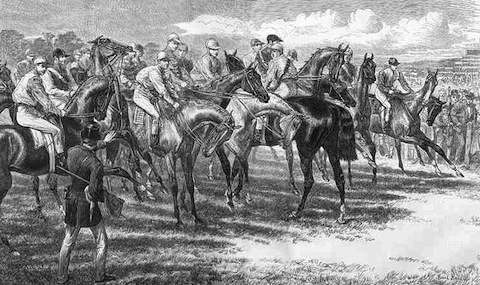
Breeding and training thoroughbreds for racing was the passion of many wealthy gentlemen of good birth. Even more participated in watching and wagering the races. Newmarket, with its network of race courses, sponsored seven race meetings a year, and a third of all the race horses in England were trained nearby. (Transporting horses was very difficult, and most horses were walked to the race course, so it was better to keep them as near as possible.)

Around 500 spectators—nearly all upper-class—gathered to watch the race on horseback, sitting on top of carriage roofs, or standing around the course at Newmarket, as there were no grandstands as there were at other courses. In 1809, the 2000 Guineas, a sweepstakes for three-year-olds was established at Rowley Mile. The 1000 Guineas, a race for three-year-old fillies was established in 1817 at the less taxing course of Ditch Mile.

newmarket

Prince George was an enthusiastic participant in racing in his younger days (1788-1791), but withdrew in a huff when the jockey of his horse Escape was involved in a dreadful scandal, and the Jockey Club—the organization that oversaw the sport—insisted that the Prince give the jockey his marching orders. What was the scandal? A matter of Escape losing a race one day, forcing the odds up for the next day, resulting in the Prince winning a large sum of money. The Prince continued to patronize the races, however. He just could not resist the lure of the excitement and gambling.

Types of Races

Horse matches were head-to-head contests where individual owners would agree on a wager, and the winner took all. Spectators would make side bets as well. In one famous match, Hambletonian vs. Diamond, almost 300,000 pounds changed hands.

Plate and cup matches, where the prize was a trophy, were quite common as well.

The sweepstakes, however, with a line-up of horses running against each other, was the most popular in the late 18th/early 19th century. The owners put up a specified sum to subscribe to the race, and the winner took everything.

Race Courses

Ascot, with its close proximity to London, became a popular venue for fashionable race fans. In 1814, popular heroes such as Blücher, Tsar Alexander, the King of Prussia and Hetnan Platov provided additional entertainment for the race-mad hordes.

epsom downs

Epsom Downs

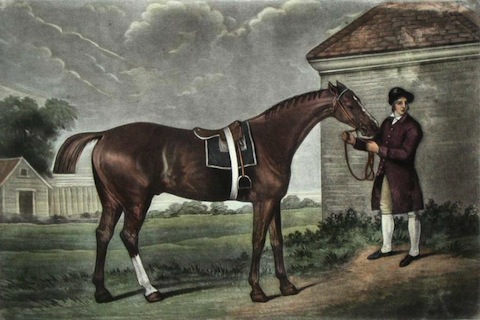
Epsom Downs, home of the legendary horse Eclipse, drew large crowds of the fashionable on Derby Day (named after the Earl of Derby who was instrumental in its development), a one-and-a-half mile race for three-year-olds. The only permanent structure on the course was Prinny’s stand, a miniature “castle” with Gothic arches where he could sit with his cronies to enjoy the races.

Eclipse

Eclipse

Other race courses were Goodwood in Yorkshire, Newcastle, Chester, Warwick, Winchester and Doncaster. Raikes (a dandy, banker and diarist) says:

“The Prince made Brighton and Lewes the gaiest scene of the year in England. The Pavilion was full of guests; the Steyne was crowded with all the rank and fashion from London during that week; the best horses were brought from Newmarket and the North, to run at these races, on which immense sums were depending; and the course was graced by the handsomest equipages.”

The Jockey Club

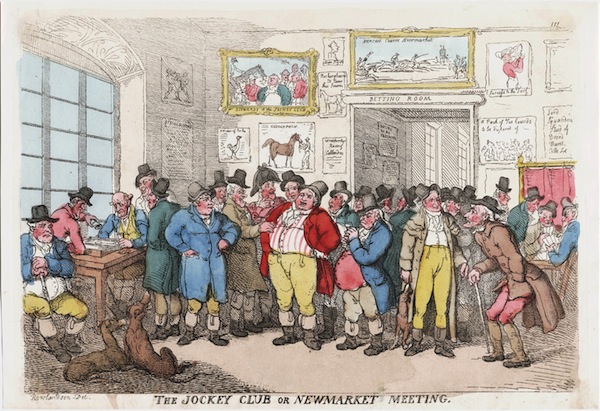
The organization responsible for regulating the racing world was the Jockey Club, whose members in 1790 included the Prince Regent, the Dukes of Bedford, Cumberland, Devonshire, and Norfolk. The Jockey Club established rules for such things as record-keeping and ensured that they were followed.

Wagering

As in London clubs and gaming hells, fortunes were won and lost at race courses. Brummell, too, lost large sums on horse racing. Raikes says:

“…I was never more surprised than when, in 1816, one morning he confided to me, that he must fly the country that night and by stealth. The next day he was landed in Calais, and, as he said, without any resources. I had several letters from him, at that time written with much cleverness, in which his natural high spirits struggled manfully against his overpowering reverses; but from the first he felt confident that he should never be able to return to his own country.”

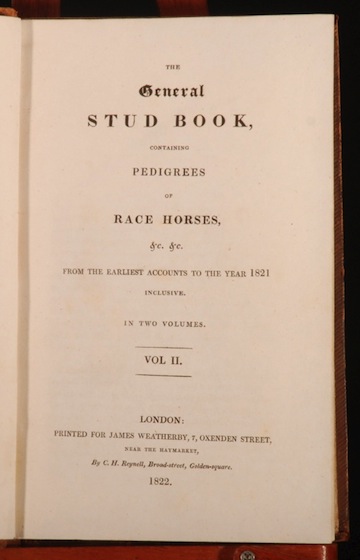
Stud Book

Stud Book

Laudermilk, Sharon H. and Hamlin, Theresa L., The Regency Companion, Garland Publishing, 1989.

The Regency Gentleman series

The Regency Gentleman: His Upbringing

The Fashionable Gentleman

The Rise and Fall of Beau Brummell 

Gentlemen’s Clubs in Regency London

Captain Who?

Gentlemen’s Sports in the Regency

The Gentleman’s Passion for Horses

Riding to the Hounds

The Regency Gentleman’s Passion for the Turf

Riding to the Hounds

jumping

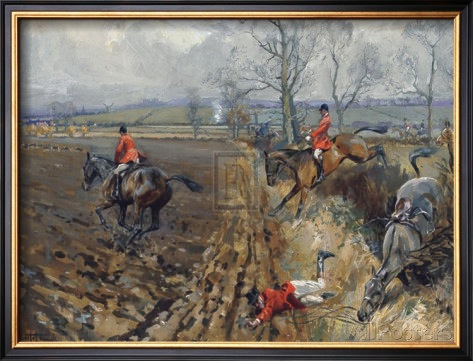
The changes that took place in the Georgian era had the effect of making the Regency era the Golden Age of Foxhunting. Faster hounds and horses that could jump at a gallop made the sport more exciting and more dangerous. Instead of foxhunters having to dig the fox out of its hole, the faster hounds would chase him up a tree—treeing—so that he could be thrown down to the dogs below. The first man up to the kill—the brusher—received the brush of the fox for his efforts. The brusher would be capped by the other hunters, that is he would collect half a crown or so for his triumph.

Black and White Treeing_small

Foxhunting was not only for the upper classes. Mr. Gunter, the London confectioner known for his ices, was a foxhunting fiend. Captain Gronow says:

“Everybody knows the story of Gunter the pastry-cook. He was mounted on a runaway horse with the King’s hounds, and excused himself for riding against Alvanley by saying, ‘O my lord, I can’t hold him, he’s so hot!’ ‘Ice him, Gunter—ice him’ was the consoling rejoinder.”

The Duke of Rutland's hounds

The journalist Nimrod in Sporting Magazine wrote that what is needed to be a good foxhunter is a good seat and a light hand. Also important is cool confidence and perception. A good foxhunter was “game to the back bone.”

An article in The Beau Monde in 1807 stated that:

“The duration of the chace should never be less than one hour, nor ought it to exceed two, which will, in most cases, be found sufficiently long if properly followed. Indeed, very few fox-chaces would ever exceed two hours if there were not a fault somewhere, either in the day, the huntsman, or the hounds.”

Some devoted foxhunters rode to the hounds six days a week. The best foxhunting was during January, February, and March, because the fox left the strongest scent during the cold weather.

foxhunt

The Duke of Wellington kept a stud of eight horses and hunted nearly every day on the Peninsula. He wore a blue frock coat given him by Lady Salisbury instead of the traditional red. Beau Brummell was an indifferent hunter, because he couldn’t bear to sully his rig with mud.

The Belvoir Estate

The Belvoir Estate

The enormous expense of maintaining a pack of hounds made private packs out of reach for most. The Duke of Rutland was one exception, but most people paid a subscription fee to a master who organized hunts. The Quorn might have around 200 subscribers, while smaller packs might have 50. In general, the neighborhood supported their hunting meets, but if the master allowed the hunters to destroy fields without compensating the local farmers, he might find his foxes hunted and killed by angry farmers in retribution.

Fox hunts normally started at ten or eleven in the morning, with hunters, horses, hounds, and liveried servants gathering at inns, markets, crossroads, or the lawns of stately homes. Hunters could wear what they chose, but the traditional dress was a red or black coat with white leather breeches, top boots, and a silk hat.

Regency ladies did not ride to the hunt in general, because the sidesaddle used at the time was not steady enough to be safe for galloping over bullfinches and hedgerows. This changed in the 1830’s after the development of a sidesaddle with three crutches that would secure the thigh. Exceptions were Lady Laetitia Lade and Lady Salisbury. But the truth is, most men didn’t want to hunt with the ladies because they were either too slow or better than the men, which was not acceptable either.

Lady-Salisbury

Marchioness of Salisbury

Laudermilk, Sharon H. and Hamlin, Theresa L., The Regency Companion, Garland Publishing, 1989.

The Regency Gentleman series

The Regency Gentleman: His Upbringing

The Fashionable Gentleman

The Rise and Fall of Beau Brummell 

Gentlemen’s Clubs in Regency London

Captain Who?

Gentlemen’s Sports in the Regency

The Gentleman’s Passion for Horses

Riding to the Hounds

The Regency Gentleman’s Passion for the Turf

Gentlemen’s Sports in the Regency

True Regency gentlemen did not sully their hands with work—that was for the lower classes. An exception to that rule would be managing his estates. Although he would generally have an estate manager or steward to handle the day-to-day tasks, the supervision of that employee would fall to him.

If all was in order, however, the Regency gentleman was fortunate to possess a considerable amount of free time, particularly the younger generation whose fathers yet survived, leaving them at liberty to seek their own pleasures, often referred to as attaining one’s “Town bronze.”

A previous post touched on the gentlemen’s clubs and gaming hells. Drinking, gambling and wenching were all popular pastimes for the gentlemen with time on their hands, especially for the young “cubs” or “greenhorns” who had yet to learn to be wary of pitfalls, such as “Captain Sharps” out to relieve them of their money by nefarious means. But when they weren’t indulging in the Regency era’s form of “partying,” they would likely engage in sporting events.

Boxing

A true gentleman had to be “good with his fists,” so many a gentleman frequented such pugilistic clubs as Gentleman Jackson’s on Bond Street, the Daffy Club, Limmer’s Hotel, Offley’s, and the Puglistic Society.

jackson-john-111

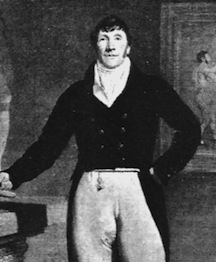
Gentleman Jackson was a former champion who enjoyed the respect and admiration of English society. His boxing academy on Number 13 Bond Street was a popular location for gentlemen who wished to improve their pugilistic skills. Jackson was instrumental in organizing the Pugilistic Society, which was formed at Thatched House Tavern in May 1814. The Pugilistic Society had the effect of lending respectability to the sport.

Offley’s was a sporting hotel in Henrietta Street that was known for its excellent beefsteak and ale. The Daffy Club, originally held at the Castle Tavern in Holborn, was an informal club reputed for the quantities of “blue ruin” (homemade gin).

mendoza_32-530x317

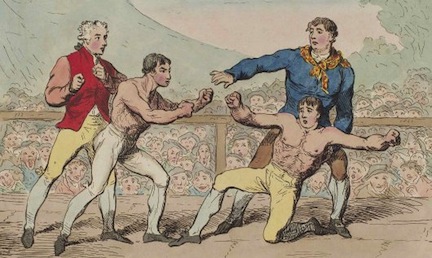
Prize fights or “mills” were usually held just outside of cities and towns where organizers could avoid the many laws regulating the sport. As soon as a fight was announced, hordes would swarm the town well in advance in order to secure accommodations. Those who arrived after every public house and inn was occupied either had to try to sleep in their carriages amidst all the racket in the street or stay up all night.

Fencing

Angelo’s School of Arms

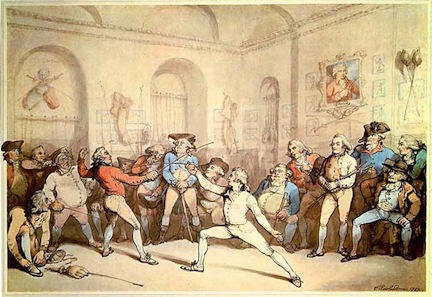
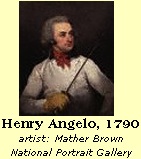
henry_angeloIn 1755, an Italian riding and fencing master by the name of Dominico Angelo Malevolti Tremamondo came to London and earned a reputation for extraordinary fencing skills. He opened “Angelo’s School of Arms,” first at Carlisle House, and then the Opera House Buildings in Haymarket. Angelo’s was a popular place for gentlemen to socialize, watch exhibitions of master fencers, and perfect their own equestrian and fencing skills. Angelo’s son Henry took over operations in 1785, and in 1817, he turned it over to his own son, also Henry. The elder Henry played a pivotal role in assisting his friend Gentleman Jackson establish his own boxing salon.

Blood Sports

The Royal Cockpit

Of all the violent animal sports—which included bear baiting and bull baiting—cock fighting was by far the most popular. The Birdcage Walk and the Royal Cockpit were two of the special indoor arenas where crowds gathered to gamble on the outcomes and watch the fights. The birds were armed with sharp spurs and the cruelty and violence was extreme. (No hero of mine will ever enjoy this sport, I assure you!)

Laudermilk, Sharon H. and Hamlin, Theresa L., The Regency Companion, Garland Publishing, 1989.

The Regency Gentleman series

The Regency Gentleman: His Upbringing

The Fashionable Gentleman

The Rise and Fall of Beau Brummell 

Gentlemen’s Clubs in Regency London

Captain Who?

Gentlemen’s Sports in the Regency

The Gentleman’s Passion for Horses

Riding to the Hounds

The Regency Gentleman’s Passion for the Turf