Archives

Romance of London: Eccentricities of Lord Byron

Romance of London: Strange Stories, Scenes And Remarkable Person of the Great Town in 3 Volumes

John Timbs

John Timbs (1801-1875), who also wrote as Horace Welby, was an English author and aficionado of antiquities. Born in Clerkenwell, London, he was apprenticed at 16 to a druggist and printer, where he soon showed great literary promise. At 19, he began to write for Monthly Magazine, and a year later he was made secretary to the magazine’s proprietor and there began his career as a writer, editor, and antiquarian.

This particular book is available at googlebooks for free in ebook form. Or you can pay for a print version.

George Gordon, 6th Baron Byron

George Gordon, 6th Baron Byron

Eccentricities of Lord Byron

Mr. Rogers, in his Table Talk, writes:—”Neither [Thomas] Moore nor myself had ever seen Byron, when it was settled that he should dine at my house to meet Moore; nor was he known by sight to [Thomas] Campbell, who, happening to call upon me that morning, consented to join the party.  I thought it best that I alone should be in the drawing-room when Byron entered it; and Moore and Campbell accordingly withdrew. Soon after his arrival they returned, and I introduced them to him severally, naming then as Adam named the beasts. When we sat down to dinner, I asked Byron if he would take soup? ‘No; he never took soup.’—Would he take some fish? ‘No; he never took fish.’ Presently, I asked if he would eat some mutton? ‘No’ he never ate mutton.’—I then asked if he would take a glass of wine? ‘No; he never tasted wine.’—It was now necessary to inquire what he did eat and drink’ and the answer was,—’Nothing but hard biscuits and soda-water.’ Unfortunately, neither hard biscuits nor soda-water were at hand; and he dined upon potatoes bruised down on his plate and drenched with vinegar. My guests stayed till very late, discussing the merits of Walter Scott and Joanna Baillie. Some days after, meeting Hobhouse, I said to him, ‘How long will Lord Byron persevere in his present diet?’ He replied,—’Just as long as you continue to notice it.’ I did not then know what I now know to be a fact, that Byron, after leaving my house, had gone to a club in St. James’s Street and eaten a hearty meat supper… Byron had a prodigious facility of composition. He was fond of suppers, and used often to sup at my house and eat heartily (for he had then given up the hard biscuit and soda-water diet); after going home he would throw off sixty or eighty verses, which he would send to press next morning… In those days, at least, Byron had no readiness of reply in conversation. If you happened to let fall any observation which offended him, he would say nothing at the time, but the offence would lie rankling in his mind, and, perhaps, a fortnight after, he would suddenly come out with some very cutting remarks upon you, giving them as his deliberate opinions, the results of his experience of your character.”

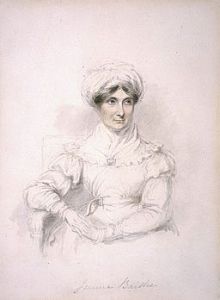
Joanna Baillie, Scottish poet and dramatist

Joanna Baillie, Scottish poet and dramatist


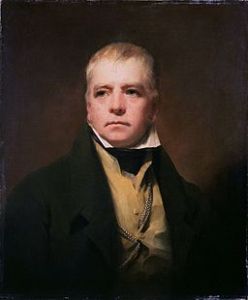
Sir Walter Scott, Scottish historical novelist, poet, and playwright

Sir Walter Scott, Scottish historical novelist, poet, and playwright


Romance of London Series

  1. Romance of London: The Lord Mayor’s Fool… and a Dessert
  2. Romance of London: Carlton House and the Regency
  3. Romance of London: The Championship at George IV’s Coronation
  4. Romance of London: Mrs. Cornelys at Carlisle House
  5. Romance of London: The Bottle Conjuror
  6. Romance of London: Bartholomew Fair
  7. Romance of London: The May Fair and the Strong Woman
  8. Romance of London: Nancy Dawson, the Hornpipe Dancer
  9. Romance of London: Milkmaids on May-Day
  10. Romance of London: Lord Stowell’s Love of Sight-seeing
  11. Romance of London: The Mermaid Hoax
  12. Romance of London: The Bluestocking and the Sweeps’ Holiday
  13. Romance of London: Comments on Hogarth’s “Industries and Idle Apprentices”
  14. Romance of London: The Lansdowne Family
  15. Romance of London: St. Margaret’s Painted Window at Westminster
  16. Romance of London: Montague House and the British Museum
  17. Romance of London: The Bursting of the South Sea Bubble
  18. Romance of London: The Thames Tunnel
  19. Romance of London: Sir William Petty and the Lansdowne Family
  20. Romance of London: Marlborough House and Sarah, Duchess of Marlborough
  21. Romance of London: The Duke of Newcastle’s Eccentricities
  22. Romance of London: Voltaire in London
  23. Romance of London: The Crossing Sweeper
  24. Romance of London: Nathan Mayer Rothschild’s Fear of Assassination
  25. Romance of London: Samuel Rogers, the Banker Poet
  26. Romance of London: The Eccentricities of Lord Byron
  27. Romance of London: A London Recluse

Romance of London: Samuel Rogers, the Banker Poet

Romance of London: Strange Stories, Scenes And Remarkable Person of the Great Town in 3 Volumes

John Timbs

John Timbs (1801-1875), who also wrote as Horace Welby, was an English author and aficionado of antiquities. Born in Clerkenwell, London, he was apprenticed at 16 to a druggist and printer, where he soon showed great literary promise. At 19, he began to write for Monthly Magazine, and a year later he was made secretary to the magazine’s proprietor and there began his career as a writer, editor, and antiquarian.

This particular book is available at googlebooks for free in ebook form. Or you can pay for a print version.

samuel_rogers_b1763npg

Samuel Rogers

From Wikipedia:

Samuel Rogers (30 July 1763 – 18 December 1855) was an English poet, during his lifetime one of the most celebrated, although his fame has long since been eclipsed by his Romantic colleagues and friends Wordsworth, Coleridge and Byron. His recollections of these and other friends such as Charles James Fox are key sources for information about London artistic and literary life, with which he was intimate, and which he used his wealth to support. He made his money as a banker and was also a discriminating art collector.

John Timbs’s Reflections

A few days after the death of Mr. Rogers, in 1855, there appeared the following interesting record of him from the practised pen of Mr. Robert Carruthers, who long enjoyed the friendship of the distinguished poet and patron of artists and men of letters.

It is not our intention to speak of the poetry of Mr. Rogers. In noticing it some time since we characterised it generally as presenting a classic and graceful beauty; with no slovenly or obscure lines; with fine cabinet pictures of soft and mellow lustre, and occasionally with trains of thought and association that awaken or recall tender and heroic feelings. No that personal interest in a living poet is withdrawn, and kindness and respect towards him are of no avail, it may be questioned whether Rogers’s poetry will maintain any prominent place in our literature. He will always be esteemed one of the purest disciples of the old classic school of Pope and Dryden—and to turn to him from the mystic ravings, tortures, and Red Indian chants of some modern poets, is like emerging from the wards of an hospital to fresh air and sunshine; but he wants vital interest, passion and strength, for universal popularity. He had not what Gray terms the “golden keys” that can unlock the gates of joy or horror, or open the “sacred source of sympathetic tears.”

Charles James Fox

Charles James Fox

It is a man of taste and letters, as a patron of artists and authors, and as the friend of almost every illustrious man that has graced our annals for the last half century and more, that Mr. Rogers has of late years challenged public attention. He was a link between the days of Johnson, Burke, and Reynolds, and the present time. He had rambled over St. Anne’s Hill with Fox and Grattan. Sheridan addressed to him the last letter he ever wrote, begging for pecuniary assistance, that the blanket on which he was dying might not be torn from his bed by bailiffs; and Rogers answered the call with a remittance of 100 l. No man had so many books dedicated to him. Byron inscribed to him his “Giaour,” in token of “admiration of his genius, respect for his character, and gratitude for his friendship.” Moore was no less laudatory, and Moore owed substantial favours to the old poet. By his mediation his quarrel with Byron was adjusted, and when Moore fell into difficulties, the liberal hand of Rogers was opened. His benefactions in this way were almost of daily occurrence. “There is a happy and enviable poet!” said Thomas Campbell one day on leaving Rogers’s house; “he has some four or five thousand pounds a year, and he gives away fifteen hundred in charity.” And next to relieving the distress of authors and others, it was the delight of Mr. Rogers to reconcile differences and bring together men who might otherwise never meet. At his celebrated breakfast-parties persons of almost all classes and pursuits were found. He made the morning meal famous as a literary rallying point; and during the London season there was scarcely a day in which from four to six persons were not assembled at the hospitable board in St. James’s Place. There discussion as to books or pictures, anecdotes of the great of old, some racy sayings of Sheridan, Erskine, or Horne Tooke, some apt quotation or fine passage read aloud, some incident of foreign travel recounted all flowed on without restraint, and charmed the hours till mid-day. Byron has described the scene of these meetings:—

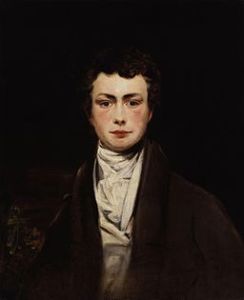
george_gordon_byron_6th_baron_byron_by_richard_westall_2“Rogers is silent, and it is said, severe. When he does talk, he talks well; and, on all subjects of taste, his delicacy of expression is pure as his poetry. If you enter his house, his drawing-room, his library, you of yourself say, this is not the dwelling of a common mind. There is not a gem, a coin, a book thrown aside on his chimney-piece, his sofa, his table, that does not bespeak an almost fastidious elegance in the possessor. But this very delicacy must be the misery of his existence. Oh, the jarrings his disposition must have encountered through life!”

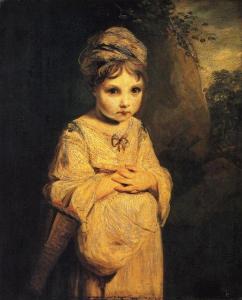
Byron’s sensitiveness coloured all he saw with his own feeling. There was none of this misery resulting from Rogers’s taste. He enjoyed life—had money, fame, honour, love, and troops of friends. His recipe for long life was “temperance, the bath, flesh-brush, and don’t fret.” But his house was really a magazine of marvels—the saloon of the Muses!—and its opening view on the garden and lawn of the Green Park in itself a picture. Paintings by Titian, Guido, Rubens, Claude, Raphael, and English artists, covered the walls. Every school, Italian and Spanish, had the representative, and not the least prized were the native landscapes of Wilson and Gainsborough, and the “Strawberry Girl” and “Puck” of Sir Joshua Reynolds. In the hall were Greek sculptures, busts, and vases, with endless articles of virtu. The library had its rare and choice editions—a drawing by Raphael, an original bust of Pope by Roubiliac, antique gems and cameos, and many precious manuscripts. Two of these he lately presented to the British Museum—Milton’s agreement with his bookseller for the copyright of “Paradise Lost” (for which he gave a hundred guineas), and Dryden’s contract with his publisher, Jacob Tonson. The whole arrangement of these rooms bespoke consummate taste and carelessness of cost. The chimney-piece of the drawing-room was of Carrera marble, sculptured with bas-reliefs and miniature statues by Flaxman; and the panels of a small library displayed the “Seven Ages of Man,” painted by Stothard. To comprehend how so much was done by one less than a noble, we must recollect Rogers’s bank, his exquisite taste, and his long life. He had written Journals of Conversations with Fox, Erskine, Horne, Tooke, and the Duke of Wellington (some of which we have seen), and those can scarcely fail to be both interesting and valuable.

Puck by Joshua Reynolds

Puck, Joshua Reynolds

The Strawberry Girl, Joshua Reynolds

The Strawberry Girl, Joshua Reynolds

Thomas Moore

Thomas Moore

The severity of remark alluded to by Byron as characteristic of his friend, was displayed in a certain quaint shrewdness and sarcasm with which his conversation abounded, though rarely taking an offensive form. He could pay compliments as pointed as his sarcasm. Moore has recorded the pleasure he derived from one of Rogers’s remarks—”What a lucky fellow you are! Surely you must have been born with a rose on your lips and a nightingale singing on the top of your bed.” These and many other sayings, pleasant and severe, will now be remembered. But higher associations, even apart from his genius, will be associated with the name of Samuel Rogers. His generosity and taste—his readiness to oblige and serve, or to encourage and reward the humblest labourer in the literary vineyard—his devotion to all intellectual and liberal pursuits—the jealousy with which he guarded the dignity and rights of literature—the example of a straight path and spotless life extended to more than ninety-two years; these are honours and distinctions which will “gather round his tomb,” and outlast his monument.

fleshbrush

Romance of London Series

  1. Romance of London: The Lord Mayor’s Fool… and a Dessert
  2. Romance of London: Carlton House and the Regency
  3. Romance of London: The Championship at George IV’s Coronation
  4. Romance of London: Mrs. Cornelys at Carlisle House
  5. Romance of London: The Bottle Conjuror
  6. Romance of London: Bartholomew Fair
  7. Romance of London: The May Fair and the Strong Woman
  8. Romance of London: Nancy Dawson, the Hornpipe Dancer
  9. Romance of London: Milkmaids on May-Day
  10. Romance of London: Lord Stowell’s Love of Sight-seeing
  11. Romance of London: The Mermaid Hoax
  12. Romance of London: The Bluestocking and the Sweeps’ Holiday
  13. Romance of London: Comments on Hogarth’s “Industries and Idle Apprentices”
  14. Romance of London: The Lansdowne Family
  15. Romance of London: St. Margaret’s Painted Window at Westminster
  16. Romance of London: Montague House and the British Museum
  17. Romance of London: The Bursting of the South Sea Bubble
  18. Romance of London: The Thames Tunnel
  19. Romance of London: Sir William Petty and the Lansdowne Family
  20. Romance of London: Marlborough House and Sarah, Duchess of Marlborough
  21. Romance of London: The Duke of Newcastle’s Eccentricities
  22. Romance of London: Voltaire in London
  23. Romance of London: The Crossing Sweeper
  24. Romance of London: Nathan Mayer Rothschild’s Fear of Assassination
  25. Romance of London: Samuel Rogers, the Banker Poet
  26. Romance of London: The Eccentricities of Lord Byron
  27. Romance of London: A London Recluse

Jude Knight: Interview with the Marquis of Aldridge (Giveaway)

Today, we are with that renowned scion of the Grenford family, the Marquis of Aldridge. As the eldest son of the Duke of Haverford whose health is understood to be failing, he has taken over much of the business of the duchy. However, he continues a vigorous social life, and is as popular on his rare appearances in a Society ballroom as he is rumoured to be in less reputable establishments.

(LC stands for Lady Correspondent. The interviewer wishes to remain anonymous, and Aldridge has sworn not to disclose her identity.)

LC: Your lordship has recently returned from Hollystone Hall, where your mother has been holding a Yuletide house party. We are informed you arrived late and left early. Do you have a particular reason for avoiding such events?

(LC blushes. She was present at both the arrival and the departure, but her questions will be printed so she cannot say so. Beyond a twitch of his eyebrows and a quirk of his lips, Aldridge does not acknowledge her deception.)

aldridge-1Aldridge: Errands for my father and other business matters kept me in town, but Her Grace my mother knew not to expect me until Christmas Eve. I would, however, have avoided the party altogether if the duchess had not required my attendance. I find that I spend such occasions avoiding debutantes with a fancy for a ducal coronet. In any house other than my mother’s, I could have discouraged them by a blatant and scandalous pursuit of a willing widow or a straying wife.

I say pursuit… But if that is not sufficient, our behaviour once I have caught the lady who has temporarily attracted my attention tends to drive away the most title-hungry of virgins and their mamas.

You would be wise to believe that my reputation is well deserved, but it is also something of a protection against all but the most ambitious.

However, as I say, I was under my mother’s roof, so the usual avenue was not open to me.

LC: So what did you do instead?

Aldridge: In the event, I had my brother with me, and we protected one another. We even shared a bed chamber, so any blushing virgin who thought to conceal herself in my bed was as much at risk of ending up with the prodigal spare, as with the disreputable heir. (Grins)

The few days I was there proved very entertaining. The duchess’s stated aim for the fortnight was to raise money for her new charity fund, but she was playing matchmaker, of course—and very successfully.

regency-fashionLC: We understand the house party was the venue for several betrothals and a marriage.

Aldridge: Yes, the Earl and Countess of Somerton married at the local church just before Christmas.

LC: Society is aghast to learn that the Earl of Somerton married the actress, Charlotte Halfpenny.

Aldridge: A magnificent actress; possibly the finest of our generation. She will, I am sure, play the part of countess to my dear friend Somerton with as much artistry as she put into her earlier roles.

Two other weddings in those weeks were associated with the house party, though they did not take place at Hollystone Hall. Lady Sophia Belvoir wed Lord Elfingham in London in a private ceremony that received, we are told, the blessing of his dying grandfather, the Duke of Winshire. And the Stanton party were delayed (with the exception of Lady Stanton), because Lord Stanton’s little sister and Frederick Woodville wished to be married in Cumbria.

LC: There is a touch of scandal in both unions, is there not? Why was Lady Stanton not at her daughter’s wedding, and what happened on that wedding journey that caused her stepson to propose to Mr Woodville’s sister?

And Lord Elfingham was made Earl of Sutton by the death of his grandfather. Or was he? The Privileges Committee will soon decide whether the new Duke of Winshire was validly married to the Persian princess who bore his large brood of children.

Aldridge: All three couples are happy. (Aldridge looks surprisingly wistful. Perhaps his mother is not the only romantic in his family.) Our sort generally look for advantage in marriage; family links, or property, or wealth. We do not, as a rule, expect to marry someone with whom we share a deep affection. They are fortunate, Lady F-Lady Correspondent.

LC: Your brother was also hopeful of a betrothal, I believe, my lord.

Aldridge: That is so. We had intended to stay to the end of the house party, but my brother received a message that recalled him to–shall we say Eastern Europe? We have not yet heard the results. I hope that he, too, is happy.

As you mentioned, though, the house party also saw several betrothals, and part of the entertainment was watching the gentlemen and their ladies stumble their way to an understanding.

Mama can take no credit for the betrothal between Mr Durand and the lovely Miss Sedgely. Their affection was fixed prior to the house party, and their fate sealed when half of Society saw them k–. Well. Never mind.

But she was, I am certain, involved in unsnarling the misperception Lord Nicholas Lacey had conceived about Lady de Courtenay. I may have helped a little myself, although flirting outrageously with the lady did not have the intended effect.

Even Mama was uncertain which of her two suitors Lady Anna Wycliffe would choose: Lord Pershore or the Duke of Barnet. But one departed early, and the other remained to be happy.

The affection between Miss Baumann and Mr Halevy also predated the house party, but Mama is undoubtedly correct that she provided the setting for its very satisfactory outcome.

And, of course, Her Grace could hardly have expected the affair between my cousin Cedrica and the chef.

Still. Nothing makes my mother happier than a courtship successfully concluded in a love match.

L.C.: And when we might expect your own betrothal, Lord Aldridge?

Aldridge: (Laughs out loud.) Did my mother put you up to asking that? All I can say is that I do not advise holding your breath.

Giveaway

bfbcover-ebook-small
revealed-in-mist-smallThe Marquis of Aldridge appears in several of the stories in Holly and Hopeful Hearts. He is one of Jude Knight’s characters, and pops up in a number of her books, including A Baron for Becky (where he is not quite the hero) and Revealed in Mist (where he is almost a villain).

To win an ecopy of A Baron for Becky or an ARC of Revealed in Mist, put your answer to the following question in the comments below. I’ll choose a commenter at random.

What did Aldridge do to try to help Lady de Courtenay?

About Holly and Hopeful Hearts

When the Duchess of Haverford sends out invitations to a Yuletide house party and a New Year’s Eve ball at her country estate, Hollystone Hall, those who respond know that Her Grace intends to raise money for her favorite cause and promote whatever marriages she can. Eight assorted heroes and heroines set out with their pocketbooks firmly clutched and hearts in protective custody. Or are they?

Valuing Vanessa, by Susana Ellis

Facing a dim future as a spinster under her mother’s thumb, Vanessa Sedgely makes a practical decision to attach an amiable gentleman who will not try to rule her life.

A Kiss for Charity, by Sherry Ewingcover-of-holly-and-hopeful-hearts-copy-2

Young widow Grace, Lady de Courtenay, has no idea how a close encounter with a rake at a masquerade ball would make her yearn for love again. Can she learn to forgive Lord Nicholas Lacey and set aside their differences to let love into her heart?

Artemis, by Jessica Cale

Actress Charlotte Halfpenny is in trouble. Pregnant, abandoned by her lover, and out of a job, Charlotte faces eviction two weeks before Christmas. When the reclusive Earl of Somerton makes her an outrageous offer, she has no choice but to accept. Could he be the man of her dreams, or is the nightmare just beginning?

The Bluestocking and the Barbarian, by Jude Knight

James must marry to please his grandfather, the duke, and to win social acceptance for himself and his father’s other foreign-born children. But only Lady Sophia Belvoir makes his heart sing, and to win her he must invite himself to spend Christmas at the home of his father’s greatest enemy. 

Christmas Kisses, by Nicole Zoltack

Louisa Wycliff, Dowager Countess of Exeter wants only for her darling daughter, Anna, to find a man she can love and marry. Appallingly, Anna has her sights on a scoundrel of a duke who chases after every skirt he sees. Anna truly thinks the dashing duke cares for her, but her mother has her doubts. 

An Open Heart, by Caroline Warfield

Esther Baumann longs for a loving husband who will help her create a home where they will teach their children to value the traditions of their people, but she wants a man who is also open to new ideas and happy to make friends outside their narrow circle. Is it so unreasonable to ask for toe curling passion as well?

Dashing Through the Snow, by Amy Rose Bennett

Headstrong bluestocking, Miss Kate Woodville, never thought her Christmas would be spent racing across England with a viscount hell-bent on vengeance. She certainly never expected to find love…

Amazon.comAmazon UKAmazon AUS Amazon CAN

SmashwordsKoboBarnes & NobleiBooks

newlogoAbout the Bluestocking Belles

The Bluestocking Belles (the “BellesInBlue”) are seven very different writers united by a love of history and a history of writing about love. From sweet to steamy, from light-hearted fun to dark tortured tales full of angst, from London ballrooms to country cottages to the sultan’s seraglio, one or more of us will have a tale to suit your tastes and mood.

Website and Home of the Teatime Tattler

FacebookTwitterPinterestAmazon Author Page

Romance of London: Nathan Mayer Rothschild’s Fear of Assassination

Why does anyone want to be a billionaire?

I’m not sure why the opening line of the passage below spoke to me. Perhaps because I am two days away from my annual migration south for the winter and I’m worried about leaving something essential that I will need. Not to mention the limits of the space in the car, which I also have to share with my parents’ stuff. But it has occurred to me periodically in my life that possessions are a burden, even though I cannot get myself to give enough of them away to relieve the burden.
In these moments, I find myself exceedingly grateful not to be a billionaire. Or in the case of the subject of today’s post—a millionaire. I can’t think of anyone who would want to kill me for my possessions, at least. It does happen, though, so perhaps Mr. Rothschild had good reason for his fears. In our time, I’m thinking of Bison Dele, former NBA player who was murdered for his money by his own brother. And the homeless Abraham Shakespeare who won the lottery, but ended up murdered by someone he trusted to help him manage his money. (Yes, I am addicted to the ID Discovery Channel.)

The Penalties of Avarice

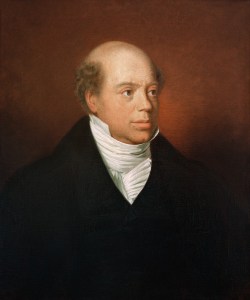
Nathan Mayer Rothschild

Nathan Mayer Rothschild

Possession naturally brings apprehension as to the power of retaining it. There were periods in the career of Rothschild, the millionaire, when his gigantic capital seemed likely to be scattered to the four quarters of the globe. He had also other sources of apprehension. Threats of murder were not unfrequent. On one occasion he was waited on by a stranger, who informed him that a plot had been formed to take his life; that the loans which he had made Austria, and his connection with Governments adverse to the liberties of Europe, marked him for assassination; and that the mode by which he was to lose his life was arranged. But though Rothschild smiled outwardly at those and similar threats, they said who knew him best, that his mind was always troubled by these remembrances, and that they haunted him at moments when he would willingly have forgotten them. Occasionally his fears took a ludicrous form. Two tall moustachioed men were once shown into his counting-house. Mr. Rothschild bowed; the visitors bowed; and their hands wandered first in one pocket and then in another. To the anxious eye of the millionaire, they assumed the form of persons searching for deadly weapons. No time seemed allowed for thought; a ledger, without a moment’s warning, was hurled at the intruders; and in a paroxysm of fear he called for assistance to drive out two customers, who were only feeling in their pockets for letters of introduction. There is no doubt that he dreaded assassination greatly. “You must be a happy man, Mr. Rothschild,” said a gentleman who was sharing the hospitality of his splendid home, as he glanced at the superb apartments of the mansion. “Happy—I happy!” was the reply. “What! happy, when just as you are going to dine, you have a letter placed in your hand, saying, ‘If you do not send 500l I will blow your brains out?’ Happy—I happy!” And the fact that he frequently slept with loaded pistols by his side is an indirect evidence of a constant excitement on the subject.*

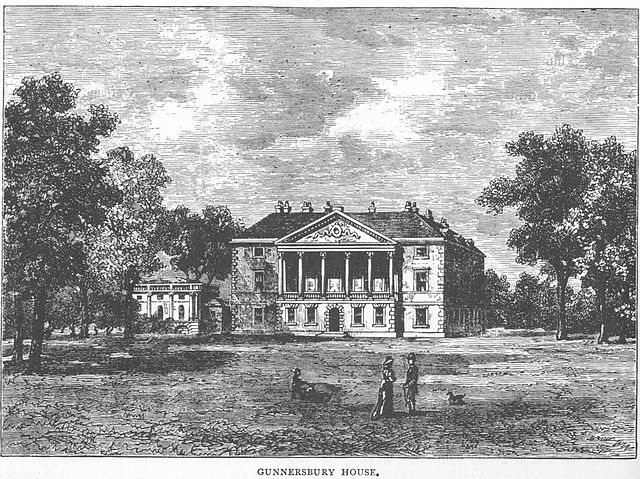
Gunnersbury House, near Acton (home of the Rothschild family)

Gunnersbury House, near Acton (home of the Rothschild family)

The late Nathan Meyer Rothschild was the most famous foreign exchange broker in London. “He never hesitated for a moment in fixing a rate, either as a drawer or purchaser of a foreign bill of exchange on any part of the world; and his memory was so retentive that, notwithstanding the multifarious transactions in which he was engaged on every foreign post-day on the Royal Exchange, he never took a note of them; but on his return to his office could dictate to his clerks the whole of the bargains he had made, with the various rates of exchange, and the names of the several parties with whom he had dealt, and the most perfect exactness.”

*Characters of the Stock Exchange


Romance of London Series

  1. Romance of London: The Lord Mayor’s Fool… and a Dessert
  2. Romance of London: Carlton House and the Regency
  3. Romance of London: The Championship at George IV’s Coronation
  4. Romance of London: Mrs. Cornelys at Carlisle House
  5. Romance of London: The Bottle Conjuror
  6. Romance of London: Bartholomew Fair
  7. Romance of London: The May Fair and the Strong Woman
  8. Romance of London: Nancy Dawson, the Hornpipe Dancer
  9. Romance of London: Milkmaids on May-Day
  10. Romance of London: Lord Stowell’s Love of Sight-seeing
  11. Romance of London: The Mermaid Hoax
  12. Romance of London: The Bluestocking and the Sweeps’ Holiday
  13. Romance of London: Comments on Hogarth’s “Industries and Idle Apprentices”
  14. Romance of London: The Lansdowne Family
  15. Romance of London: St. Margaret’s Painted Window at Westminster
  16. Romance of London: Montague House and the British Museum
  17. Romance of London: The Bursting of the South Sea Bubble
  18. Romance of London: The Thames Tunnel
  19. Romance of London: Sir William Petty and the Lansdowne Family
  20. Romance of London: Marlborough House and Sarah, Duchess of Marlborough
  21. Romance of London: The Duke of Newcastle’s Eccentricities
  22. Romance of London: Voltaire in London
  23. Romance of London: The Crossing Sweeper
  24. Romance of London: Nathan Mayer Rothschild’s Fear of Assassination
  25. Romance of London: Samuel Rogers, the Banker Poet
  26. Romance of London: The Eccentricities of Lord Byron
  27. Romance of London: A London Recluse

Susana’s Adventures in England: Lyme Park

lyme_park_2

Lyme Park has been in the possession of the Legh family for 550 years. The manor was granted to the first Piers Legh and his wife Margaret in 1398 by Richard II, son of the Black Prince, as a reward for the heroic deeds in battle of her grandfather, Sir Thomas Danyers. The Leghs themselves campaigned in many 15th and 16th century battles.

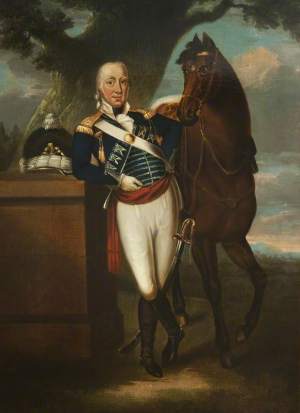
Colonel Thomas Peter Legh

Craik; Colonel Thomas Peter Legh (1753-1797) of Lyme Park; Duke of Lancaster's Own Yeomanry Museum; http://www.artuk.org/artworks/colonel-thomas-peter-legh-17531797-of-lyme-park-150355

Colonel Thomas Peter Legh (1753-1797) of Lyme Park

From Lyme Park House & Garden, a National Trust Publication:

He was best known for having raised six troops of cavalry in fourteen days in 1794—following Pitt’s call to arms in the face of increasing trouble in Europe—and for having sired seven children by seven different women, none of whom was his wife.

He left the estate to his oldest natural son, Thomas.

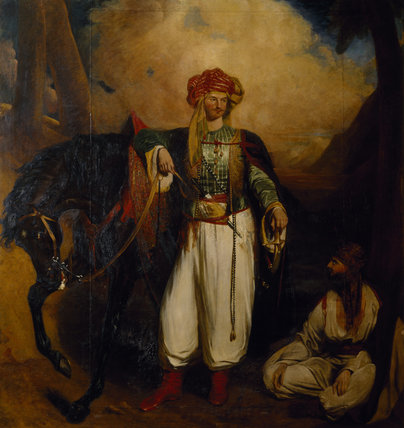
Thomas Legh

Thomas Legh

Thomas Legh

Thomas Legh, who inherited Lyme in 1797, was one of the most remarkable members of the family. By the time he came of age in 1814 he had already followed the Nile into parts of Nubia previously unexplored by Europeans, and the following year he was present at the Battle of Waterloo. He also became a well-known Egyptologist and collector of antiquities, modernised the estate farms, exploited the industrial potential of his Lancashire lands and had Lyme itself restored and extensively, but sympathetically, altered by Lewis Wyatt.

The House

The Stag Parlour

The Stag Parlour

The Leghs were notoriously fond of hunting the red deer indigenous to Lyme Park, which is no doubt the reason they made it their primary home from the late 16th century on.

The architectural style of the house varies from Elizabethan-Jacobean to Italian Palladian and baroque.

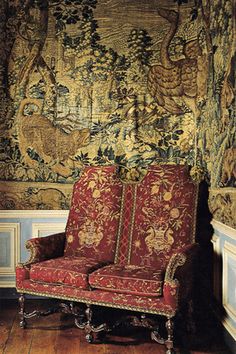
Unusual settee in the Yellow Bedroom

Unusual settee in the Yellow Bedroom

The exterior of the house was used as Pemberley in the 1995 BBC adaptation of Pride and Prejudice.

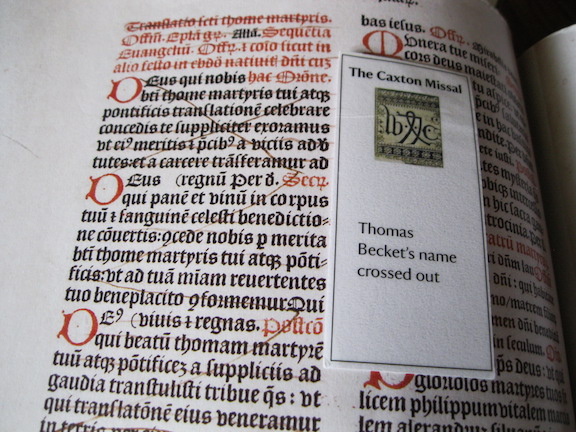
The Lyme Caxton Missal

caxtonmissal-copy

The Leghs were Roman Catholic supporters of the Stuarts in the 18th century. The missal they owned was an early printed book containing the liturgy of the mass according to the Sarum Rite, published by William Caxton in 1487. It is the only nearly complete surviving copy of its earliest known edition.

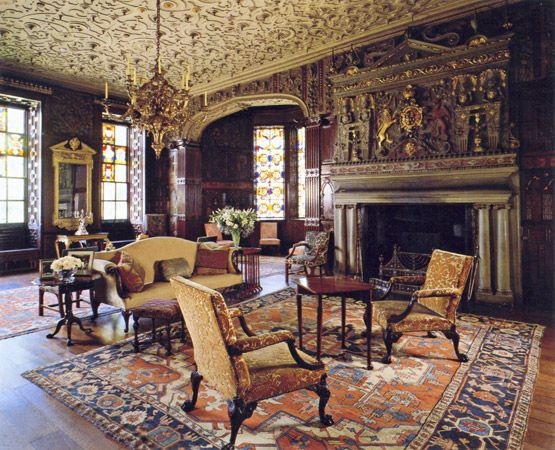
Drawing Room

Drawing Room


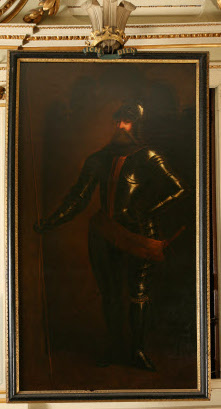
Prince Edward, Prince of Wales, `The Black Prince

Prince Edward, Prince of Wales, ‘The Black Prince’


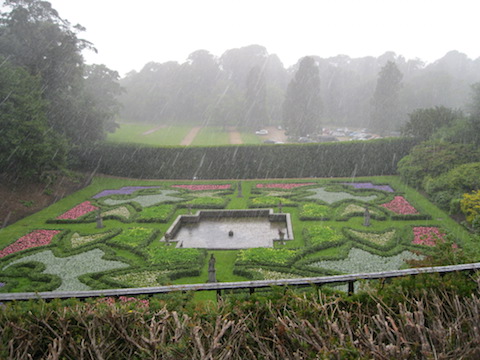
The Dutch Garden in the rain

The Dutch Garden in the rain


See more photos on my Lyme Park Pinterest page.

Amy Rose Bennett: The Ice Duchess (Scandalous Regency Widows, Book 2)

In The Ice Duchess, my heroine, Georgiana, the widowed Duchess of Darby, prides herself on her ability to be a brilliant piquet player. Because of her past history—she suffered tremendous heartbreak at the hands of a scoundrel when she was a debutante—she became an adept player. She uses piquet as both a shield and a weapon during ton social events. In her mind, her fearsome card-playing reputation is a way to keep men, especially rakehells, at bay. Rather than converse, or worse still, flirt, she can just play cards. And it feels good to trounce the other player, particularly if he is a man!

Piquet was a popular card game during the Regency era and was often played at home, society events and even at the gaming table. A trick-taking game played by two players, it has quite a complicated scoring system. My hero, Lord Markham, and Georgie play several games during the story and as an author, it was quite a challenge to first of all, come to grips with the rules, and secondly, write the card playing scenes in a way that would be both entertaining and further the plot. I hope readers get a sense of the great strategy involved during the course of play as well as enjoy the banter between Georgie and Markham as both try to gain the ‘upper-hand’. And if any piquet experts out there read my story and find I haven’t got it quite right, I hope they’ll forgive me—it is a very tricky game to say the least!

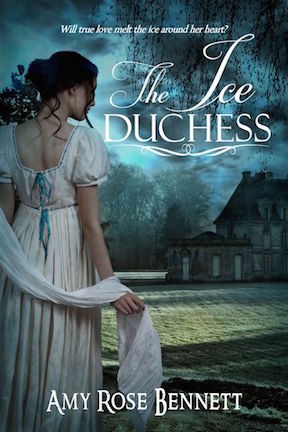
theiceduchess_med-copy-2

About The Ice Duchess

Georgiana Dudley, the ‘Ice Duchess’, has just emerged from mourning after a nine-year marriage of convenience to the Duke of Darby, her twin brother’s lover. Deeply hurt by a scoundrel a decade ago, Georgie swore she would never turn her head for any man, let alone another rakehell. But then she encounters the wickedly handsome and all too charming Rafe Landsbury, the Earl of Markham and against her better judgment, her interest is reluctantly aroused. An affair may be impossible to resist but dare she trust Lord Markham with her most intimate secrets… and her heart?

Society believes Rafe to be a diplomat but for many years he has been working on the Continent as a spy for the Crown. Leaving the shadowy world of espionage behind, he returns to London with the intention of finding a wife. When he is paired with the frosty yet fascinating Duchess of Darby at the piquet table during a ton ball, he is intrigued. Do-or-die man that he is, he’s certainly not going to let her cool demeanor dissuade him from pursuing her.

When Rafe’s dark past returns to endanger Georgie, he is determined to protect her at all costs, even if that means hiding who he once was. With the stakes so high, both Georgie and Rafe must decide if love is a risk worth taking…

Heat Level: Steamy to hot. This story is a Regency romance with open-door love-making scenes and frank language is used.

Amazon

Excerpt

To give you an idea of the game, I thought I’d share an excerpt from The Ice Duchess. In this scene, Georgie, and Rafe, Lord Markham, are engaging in a piquet re-match at the end of a dinner party. Both are skilled players and both are equally determined to put the other off their game by flirting, which is quite a novel thing for Georgie…

Whilst she shuffled, he deliberately raked her with an appreciative gaze, his eyes shamelessly lingering on her face, her delicious mouth and then her breasts. As he’d anticipated, color immediately rose to her cheeks. She glanced away from him, suddenly very interested in the cards in her hands.

Leaning forward a little, he drew her gaze to him again. “Because the rest of the company are otherwise engaged and we are still somewhat… alone,” he said in a low voice, “I thought I should take this opportunity to tell you how beautiful you look this evening, Your Grace.”

She affected a little laugh before she placed the cards on the table. Something hot and bright flashed beneath the cool blue of her eyes. Anger or desire, he couldn’t tell. “Heavens, you are full of compliments this evening, Lord Markham,” she said. Although she sounded a little breathless, she arched an eyebrow. “But you must realize by now that flattery will get you nowhere when it comes to playing. Only strategy will.”

Cutting the cards with a decided flip, she revealed the seven of clubs. Not good by any means. Her lips flattened, her displeasure clear.

“It would seem a modicum of good luck doesn’t go astray either,” Markham ventured with a wicked grin. He took his turn to shuffle and added, “I don’t know about you, Your Grace, but I’m feeling rather lucky tonight.” His cut revealed the knave of hearts. Although he wouldn’t have first choice from the talon in this first round, the advantage would be his in the sixth and final round of the partie. “I shall be the younger hand to begin with.”

“Of course. I wouldn’t have expected anything less.” The duchess observed him from beneath her eyelashes as he started dealing. “Playing with you again will be quite a romp I should expect, regardless of the outcome.”

The seductress was back. He couldn’t help but play the rake. “I can think of no lovelier woman to romp with than you, Duchess.”

This time, when she blushed, it was to the roots of her hair. There could be no mistaking what he meant by romp. He was a devil, but if she wanted to play with fire, she should expect to get a little burned.

Join Amy’s Release Day Party!

Friday, September 30, 2016 • 6:00 – 10:00 p.m. EDT

Guest Authors • Fun • Books • Prizes

https://www.facebook.com/events/944693238989915/

6-6:20pm EST- Amy Rose Bennett – Author
6:20-6:40pm EST- Susana Ellis
6:40-7pm EST- Jessica Cale
7-7:20pm EST- Nicole Zoltack
7:20-7:40pm EST- Jude Knight
7:40-8pm EST- Elizabeth Ellen Carter – Author
8-8:20pm EST- Sherry Ewing
8:20-8:40pm EST- Cerise DeLand
8:40-9pm EST- Amanda Mariel
9-9:20pm EST- Aurrora St. James
9:20-9:40pm EST- Gina Conkle, Writer
9:40-10pm EST- Amy Quinton

About the Author

AuthorPic copyAmy Rose Bennett has always wanted to be a writer for as long as she can remember. An avid reader with a particular love for historical romance, it seemed only natural to write stories in her favorite genre. She has a passion for creating emotion-packed—and sometimes a little racy—stories set in the Georgian and Regency periods. Of course, her strong-willed heroines and rakish heroes always find their happily ever after.

Amy is happily married to her own Alpha male hero, has two beautiful daughters, and a rather loopy Rhodesian Ridgeback. She has been a speech pathologist for many years but is currently devoting her time to her one other true calling—writing romance.

Website/BlogFacebook TwitterPinterest

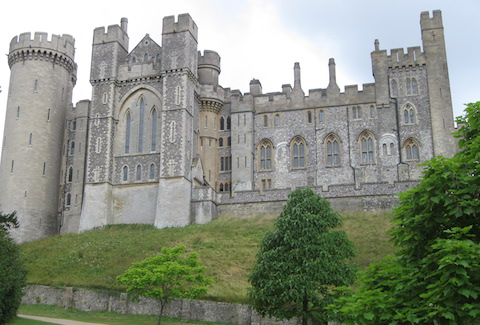
Susana’s Adventures in England: Arundel Castle

castle-copy

Arundel Castle was established by Roger de Montgomery, a cousin of William the Conqueror, on Christmas Day in 1067 after he was given one-fifth of Sussex and the title of Earl of Arundel in return for his agreement to defend it. The castle was damaged in the English Civil War and restored in the 18th and 19th centuries. It has been the principal seat of the Dukes of Norfolk for almost 400 years.

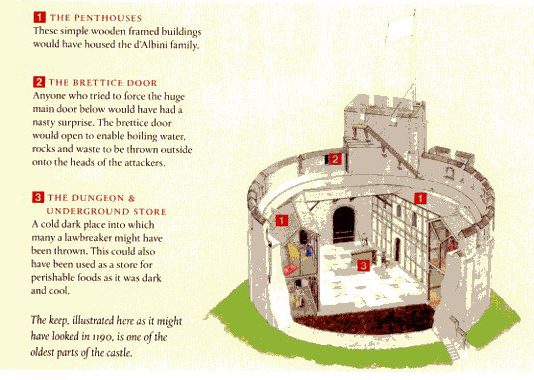
keep001

Stone apartments constructed for the Empress Matilda’s visit in 1139 still exist today.

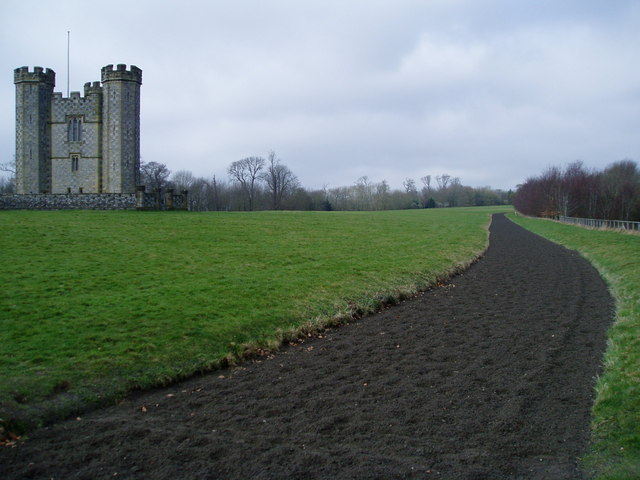
The 11th Duke of Norfolk held a large party at Arundel in 1815 to celebrate the 600th anniversary of the signing of the Magna Carta. Architect Frances Hiorne built a folly on the hill above Swanbourne Lake.

Hiorne's Tower (Folly)

Hiorne’s Tower (Folly)

Queen Victoria, when she and Prince Albert visited on 1 December 1846, did not appreciate the 11th Duke’s attempts at renovations, calling it “bad architecture.” Consequently, the 15th Duke, upon his inheritance of the Castle, carried on a “massive and scholarly renovation” of the entire house between 1875 and 1900, except for the library. This included carefully restoring the remains of the Norman castle.

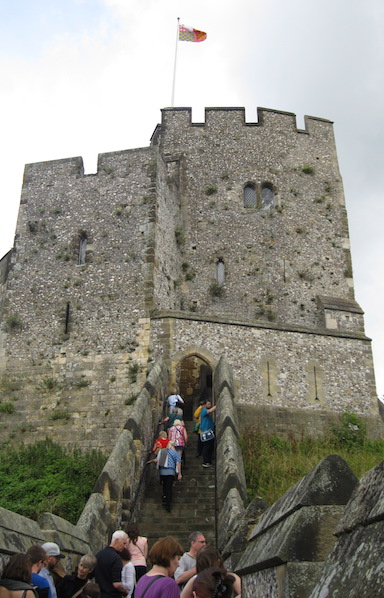
The Keep

The Keep

During the second world war, the Castle was occupied by British, American, and Commonwealth troops right up to the 1944 D-Day landings.

The present 18th Duke lives in a private wing with his family. He had his wife, along with the Castle Trustees, have restored and redecorated the whole interior to its Victorian magnificence, as well as improved the visitor facilities. The gardens have been upgraded to match the historic authenticity of the Castle.

garden14

garden17-copy

On exhibit at the Castle are nearly all of the family’s collection of art and historic archives, including many brought from Worksop and Norfolk House.

For more photos of Arundel Castle, check out my Pinterest Page.

Valuing Vanessa: Griswold Finds a Home (Giveaway)

cover-of-holly-and-hopeful-hearts-copy-2

Holly and Hopeful Hearts

When the Duchess of Haverford sends out invitations to a Yuletide house party and a New Year’s Eve ball at her country estate, Hollystone Hall, those who respond know that Her Grace intends to raise money for her favorite cause and promote whatever marriages she can. Eight assorted heroes and heroines set out with their pocketbooks firmly clutched and hearts in protective custody. Or are they?

Amazon.comAmazon UKAmazon AusAmazon CA

KoboSmashwords

Griswold’s Story

from Valuing Vanessa

The second morning of their visit dawned sunny and unseasonably warm, so Louise and Blanche and her cousins Alice and Celia decided to explore the extensive grounds. Miss Grenford recommended that they stay within view of the house for the morning, but that the head groom should be able to provide mounts for them in the afternoon if they wished to go beyond.

There really was much to explore, Louise discovered. The fountains were drained for the winter, but the classic statuary was much to be admired.

“Mee-ouw!”

Louise stopped in her tracks, finding herself underneath a large beech tree.

“Mee-ouw!”

Casting about for the source of the sound, her eyes finally made out the presence of a small gray and white kitten on a branch about ten feet off the ground.

“Meee-ouww!” The kitten seemed to be demanding to be rescued.

“You’ve quite a shrill voice for such a tiny creature,” said Louise. “Not very sensible, are you? You might have thought you were brilliant to have managed to climb so high, but what now? Too afraid to come down again, are you?”

“Meee-ouww!”

“I believe that kitten is screaming at you,” said Blanche, as she reached Louise’s side.

Louise grinned. “I believe you are right,” she said, “a cheeky bit of fur, don’t you think?”

“There are half a dozen or so kittens running around the house and gardens,” said Alice. “I wonder if Papa will let me have one.”

“Well, you can’t have this one,” Louise said, at the same time tying up her skirts between her legs. “He found me, and I’m keeping him, so long as the duchess allows it.”

“She’s going to climb the tree!” said Celia. “I hope she doesn’t get stuck up there with the silly kitten,” she added with a chuckle.

Louise pulled herself up to the lowest branch, and carefully got to her feet while clutching the upper branch where the kitten was perched with her hands.

“Here, kitty.”

griswold2The kitten didn’t budge, but stared at her with its clear gray eyes.

“Well! You asked to be rescued, didn’t you? Here I am.”

“Mee-ouw!”

“What a silly fellow you are!” Louise reached over and carefully plucked the kitten off the branch. But as soon as she brought him close to her chest, he dug his claws into her coat, which was not quite thick enough to absorb them.

“Ouch!” she complained. “You are going to have to learn some manners, you know. Scratching someone upon first acquaintance is quite improper.”

One hand firmly supporting the kitten, she leaned her back against the trunk of the tree and slowly slid down to a sitting position on the lower branch, then hopped down to the ground.

“Now, let’s have a look at you. What a pretty little fellow you are!”

On top he was charcoal gray with striped ears and legs and a white throat and underbelly.

He seemed to be content to rest in her arms and look up at her with his curious eyes.

“I think he likes you,” said Alice.

“Of course he does. She just rescued him,” said Blanche. “Are you really going to keep him, Louise? I wonder I could have one too. Let’s go back to the house and find the rest of them.”

“I want one too,” said Celia.

“Don’t be silly,” chided her sister. “You have two cats at home.”

“Not in London. And they aren’t kittens anymore either.”

Duke’s daughters, thought Louise, shaking her head as she walked across the lawn with her kitten in her arms.

“Griswold,” she said. “His name is Griswold.”

“Are you sure it’s a boy?”

Louise frowned and turned the kitten over to check its white underbelly. “How can you tell?”

Blanche ran her finger down the kitten’s nether regions. “It’s a boy,” she pronounced. “Hello Griswold. Pleased to meet you.”

And for the remainder of the house party, Louise and Griswold were inseparable.

valuingvanessa-twitter-jpg

Valuing Vanessa

Facing a dim future as a spinster under her mother’s thumb, Vanessa Sedgely makes a practical decision to attach an amiable gentleman who will not try to rule her life.

The last thing widower George Durand thinks he wants is another wife, but his difficult daughter is proving difficult to handle. In any case, the admirable Miss Sedgely is far too young for him.

A love match is not even a remote consideration for these two. Or is it?

Kitten Giveaway

Griswold’s twin is looking for a home. Check out the Rafflecopter link to enter the contest to be his new human.

Update: Griswold’s giveaway is now closed. Winner will be announced at the Book Launch Party on November 13th. However, his siblings will also be in search of new homes in the weeks to come.

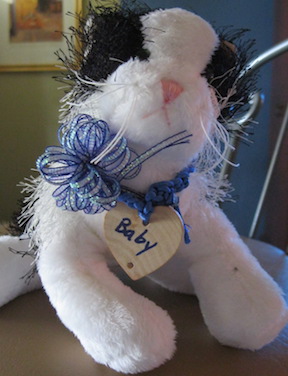
Baby: Jessica Cale

http://ow.ly/fHgp304KCfl

baby2

Cover Reveal: Holly and Hopeful Hearts by the Bluestocking Belles

cover-of-holly-and-hopeful-hearts-copy

About Holly and Hopeful Hearts

When the Duchess of Haverford sends out invitations to a Yuletide house party and a New Year’s Eve ball at her country estate, Hollystone Hall, those who respond know that Her Grace intends to raise money for her favorite cause and promote whatever marriages she can. Eight assorted heroes and heroines set out with their pocketbooks firmly clutched and hearts in protective custody. Or are they?

A Suitable Husband, by Jude Knight

As the Duchess of Haverford’s companion, Cedrica Grenford is not treated as a poor relation and is encouraged to mingle with Her Grace’s guests. Surely she can find a suitable husband amongst the gentlemen gathered for the duchess’s house party. Above stairs or possibly below.

Valuing Vanessa, by Susana Ellis

Facing a dim future as a spinster under her mother’s thumb, Vanessa Sedgely makes a practical decision to attach an amiable gentleman who will not try to rule her life.

A Kiss for Charity, by Sherry Ewing

Young widow Grace, Lady de Courtenay, has no idea how a close encounter with a rake at a masquerade ball would make her yearn for love again. Can she learn to forgive Lord Nicholas Lacey and set aside their differences to let love into her heart?

Excerpt

Artemis, by Jessica Cale

Actress Charlotte Halfpenny is in trouble. Pregnant, abandoned by her lover, and out of a job, Charlotte faces eviction two weeks before Christmas. When the reclusive Earl of Somerton makes her an outrageous offer, she has no choice but to accept. Could he be the man of her dreams, or is the nightmare just beginning?

Excerpt

The Bluestocking and the Barbarian, by Jude Knight

James must marry to please his grandfather, the duke, and to win social acceptance for himself and his father’s other foreign-born children. But only Lady Sophia Belvoir makes his heart sing, and to win her he must invite himself to spend Christmas at the home of his father’s greatest enemy.

Excerpt

Christmas Kisses, by Nicole Zoltack

Louisa Wycliff, Dowager Countess of Exeter wants only for her darling daughter, Anna, to find a man she can love and marry. Appallingly, Anna has her sights on a scoundrel of a duke who chases after every skirt he sees. Anna truly thinks the dashing duke cares for her, but her mother has her doubts.

Excerpt

An Open Heart, by Caroline Warfield

Esther Baumann longs for a loving husband who will help her create a home where they will teach their children to value the traditions of their people, but she wants a man who is also open to new ideas and happy to make friends outside their narrow circle. Is it so unreasonable to ask for toe curling passion as well?

Excerpt

Dashing Through the Snow, by Amy Rose Bennett

Headstrong bluestocking, Miss Kate Woodville, never thought her Christmas would be spent racing across England with a viscount hell-bent on vengeance. She certainly never expected to find love…

Excerpt

Coming November 8.

Eight original stories, 578 pages of diverse characters,  complex relationships, and happily-ever-afters for $2.99.

Pre-order Now!

Amazon.comAmazon UKAmazon AustraliaAmazon Canada

Kobo Smashwords

Excerpt from Valuing Vanessa

“Are you certain it is not an imposition, Miss Sedgely? Because I shouldn’t mind showing the ladies around myself, in Mrs. Seavers’s absence.”

Vanessa’s chin rose as she directed a firm gaze at the institution’s housekeeper. “I assure you there is no imposition whatsoever, Mrs. Barnes. I shall be pleased to guide the ladies on their tour this morning, as Matron directed.”

Mrs. Barnes flushed. Obviously she considered the task her own prerogative, but Vanessa had not taken the trouble to get the hospital matron out of town just to be foiled by the housekeeper.

“But what about your class, Miss Sedgely? The children do so look forward to them! Why, they will be exceedingly disappointed to miss them today.” She leaned in closer, her eyes gleaming. “I hear that little Willie had prepared a special passage to read for you. He is quite partial to you, you know.”

Vanessa refused to allow herself to be diverted, in spite of the tiny twinge of guilt she felt deep inside. “My maid has agreed to take my classes for today. She has assisted me previously, you know, and thus is well-known to the children.”

She gave a curt nod to the housekeeper, who took it as the dismissal it was meant to be, and walked out of the room.

The Board of Governors were conducting a meeting in a quarter hour’s time, and Vanessa had taken great pains to find a reason to be lingering in the foyer as the gentlemen arrived. It was Mr. George Durand she wished to encounter, of course. During the week since the masquerade at Vauxhall, she had unearthed a great deal of information about the attractive gentleman.

George William Durand was the grandson of a viscount, his late father being the younger son, who had made law his profession. Durand’s cousin William had become the 4th Viscount Faringdon five years ago following his father’s death, and he had four healthy sons to follow him, which meant the title was unlikely to fall to George. George had followed his father into the law profession, although interestingly, he had briefly studied landscape gardening with one of Capability Brown’s former associates. That ended after his marriage, however, when young George set himself to becoming a successful solicitor like his father. His wife, Geneviève d’Aumale, was a French émigrée, the daughter of a comte who had lost his head on the Place de la Concorde at the hands of revolutionaries. She, her sister Juliette, and their mother the comtesse had lost their lives in a carriage accident which had arisen from an attack of highwaymen.

So dreadful. Life was so ephemeral. In a matter of minutes, three ladies’ lives had been snuffed out in such a horrific manner, leaving their husbands to bear the loss as best they could. And their adolescent daughters, of course. Both Durand and Lord Nicholas had daughters, approximately the same age. And perhaps not surprisingly, both had been residing with relatives since the tragedy. Men were notoriously helpless when it came to their maturing daughters. But in retrospect, Vanessa thought it rather pitiable that the girls had effectively lost both parents in that one disastrous moment.

One thing was certain, however. A well-off gentleman with a near-grown daughter was clearly in need of a wife. And Vanessa thought she might suit this one very well indeed.

Susana’s Adventures in England: Charlecote Park

In my mind, Charlecote Park will always be associated with buses—and the frustration of trying to find the one you need to take you to your destination. Maybe it’s not fair, since the problem I had was in part due to my own error, and it was certainly not the first time I’ve had issues finding transportation between train stations and stately manors, but it will forever be remembered as the place where I “lost it.” Or, as I put it when relating the story later to my friend Cora Lee, “I totally freaked out.”

rail-station

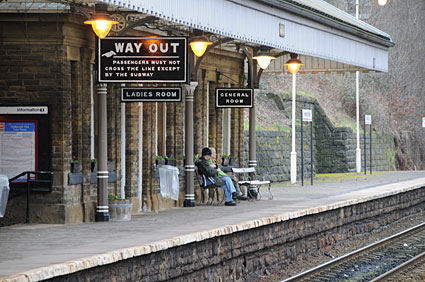
The rail system in the UK is fabulous, especially if you get a BritRail pass before you leave. The BritRail pass makes reservations unnecessary, so you can get on any train without having to worry about timing. Unfortunately, there is a little matter of the distance between the rail station and your destination.

I’ve found Cheryl Bolen’s England’s Stately Homes By Train very helpful in this regard because she gives specific instructions for buses and taxis. But things don’t always work out the way they’re supposed to. For example, when you leave the train station and are confronted with a listing of buses that shows every number except the one you need, and nobody around you knows anything about that one, what do you do? My solution: find a taxi. The extra money is definitely worth the peace of mind.

bus

But you still have to find a way back to the train station. If you have a mobile phone, you can call the cab company that brought you there. Or you can make an arrangement with the taxi driver to pick you up at a certain time, but then you might have to cut your visit short, which is a shame, since these stately manors have so many sights to see besides the interior of the house.

So, make sure you have a mobile phone. Because you never know when you are going to find yourself at a station that has no taxi and no pay telephone. Even if the online information says there is a telephone there, it won’t help you if the telephone is inside a building and the building is closed for the weekend—or the bank holiday—or is just always closed and nobody bothered to update the information on the website.

So what happened at Charlecote Park?

At Leamington Spa, I walked outside looking for a bus station adjacent to the train station. (Later, I realized the directions said “bus stop”, but the bus stop in front of the train station did not list Charlecote anywhere, and the one across the road had a sign that said, “Check schedule,” which was not helpful, since I didn’t have one.) I walked around and asked several people if they knew how to get to Charlecote Park. They did not. So I returned to the train station and asked an employee at a window there where the bus station was. He said to take the path to the left, follow it around a bend, and it would be on the next street. Um, no. It was just a street.

I walked one way for a few blocks, then saw a bus going the other way, so I changed direction. On the way, I asked a construction worker, who scratched his head and said first one way, then the other. I kept walking. The road curved around and I asked an older couple who were getting out of a car with tennis racquets.

“The bus station? Oh, it’s right next to the rail station, right around this curve!”

Really? How had I missed it? I must be a real dunce. So I asked them if I should turn and go back the way I came or just keep going around the curve. They discussed it for a few moments, and then shrugged and said it was six of one and half a dozen of the other. So I decided to follow the curve rather than retrace my steps, which was probably a mistake, since I found myself on a busy highway that seemed to go on forever.

By the time I had reached the rail station again, I had already walked four miles and was about to lose my temper. But then I saw a taxi stand, and my problems were over. Or so I thought.

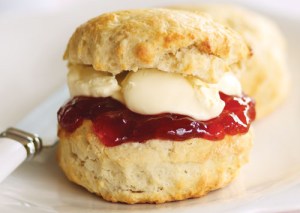
I did finally get to Charlecote Park. My first action was to get a latte and scone at the cafe and rest my aching feet. I did feel better after that, and kept telling myself the same thing I told my ten-year-old nephew when I took him and my sister to Mexico for two weeks: Think of it as an adventure you can brag to your friends about. What are a few hardships to a veteran traveler?

scone

But getting there is only half the problem. You always have to find a way to get back.

This time, I queried the staff in the ticket office, telling them the story of the non-existent bus station. They were sympathetic, but couldn’t tell me anything about a bus station. An elderly volunteer “who knows everything about the buses here” shook his head and said, “There hasn’t been a bus station in Leamington Spa for more than fifteen years.”

Aha! No wonder I couldn’t find it!

But there are buses to Leamington Spa. One employee got out the schedule to prove it to me. The bus stop is just around the corner. Turn right at the entrance and go around the corner and it’s right there. Such nice, reassuring people. This time I would find the bus stop!

But I didn’t. There wasn’t any bus stop. Had I misunderstood the directions? Or was this an unmarked bus stop that only locals knew about? By this time, I was really upset. Hopping mad, in fact.

But I had to do something. So I found myself at the Charlecote Pheasant Hotel. At first there didn’t appear to be anyone there. Really? This just wasn’t my day. Finally, I found a workman who directed me to the front desk, where, when I got there, I promptly burst into tears.

Humiliating, you say? I was way beyond that. The kind young woman at the desk offered me water and showed me to a place where I could sit and calm down. She was so helpful! When I was ready, she showed me where the bus stop was (and no, there wasn’t a sign), and I managed to get back to the train station all in one piece, and only slightly the worse for wear.

The moral of the story is—. Well, there really isn’t one. Having a mobile phone wouldn’t have helped in this situation. But when you travel, even if you have a great guidebook, expect to find unexpected difficulties. Do not expect that locals will always be able to help you—especially if you ask them for something that doesn’t exist. But do expect to find kind, compassionate people who will help you when you need it most. In the end, it will turn out to be a grand adventure you can tell all your friends and even laugh about. Maybe.

Charlecote Park

house

Charlecote Park was built by Sir Thomas Lucy in 1558. Located in Warwickshire, four miles from Shakespeare’s home, Stratford-upon-Avon, it is famous for having housed Queen Elizabeth I. According to legend, a young William Shakespeare was caught poaching deer here, and he took his revenge on Sir Thomas by portraying him as the fussy Justice Shallow in The Merry Wives of Windsor. The famous Capability Brown worked his magic on the landscaping here, but he had to do it without cutting down a single tree.

wall-whenryviii

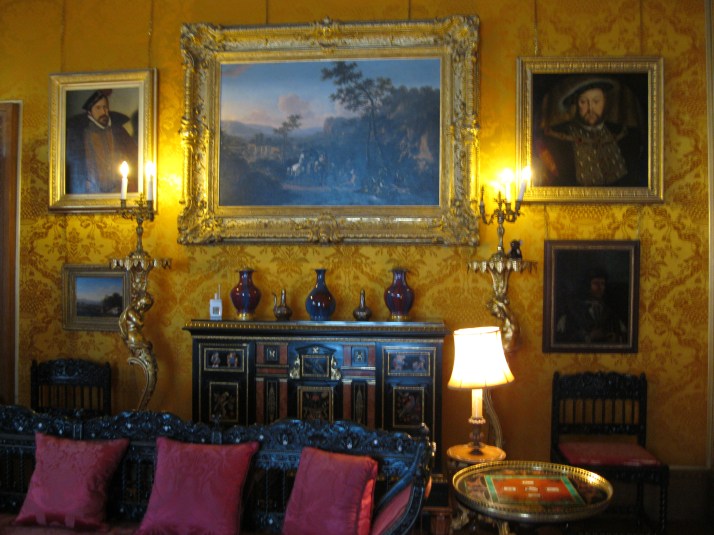
George Hammond Lucy and his wife Mary Elizabeth refitted the house in the mid-nineteenth century in the style of “Good Queen Bess” or Elizabethan Revival. With the help of designer and heraldic expert Thomas Willement, they filled the new rooms with heraldic stained glass, early editions of Shakespeare, and ebony furniture (which they thought to be Tudor). Many tables and cabinets came from the bankruptcy sale of collector William Beckford.

Check out my photos from Charlecote Park here.